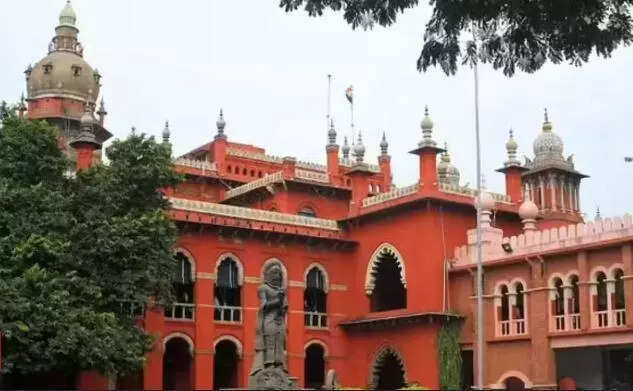
The Madras High Court has observed that tribal communities are legally vulnerable in protecting their immovable properties, and that this vulnerability is addressed through specific constitutional and statutory safeguards.
Justice K Govindarajan held that a non-tribal cannot secure ownership of land in a tribal area owned by a tribal person by invoking adverse possession based on long and continuous occupation.
The court made the observation while dismissing an appeal filed by Vinodhan Kandhaiah and four others, who claimed title to 35.65 acres in the Kalvarayan Hills, stating that their father Kandhaiah had purchased the land in 1995. The appellants said their father died in 1998 and that they have since been in possession of the land, cultivating fruits and spices.
In 2006, G Anandan and seven others represented to authorities alleging the appellants were in illegal possession of lands that originally belonged to tribals. The appellants then filed a civil suit, which was dismissed by the trial court and later by the appellate court.
Advocate L Parvin Banu, appearing for the tribals, argued that tribals and tribal areas are treated separately where necessary and require legal protection from exploitation. Agreeing, the judge noted that any transfer of immovable property by a Scheduled Tribe member to a non-tribal without permission from the competent authority is invalid, and that wrongful possession cannot be legalised.