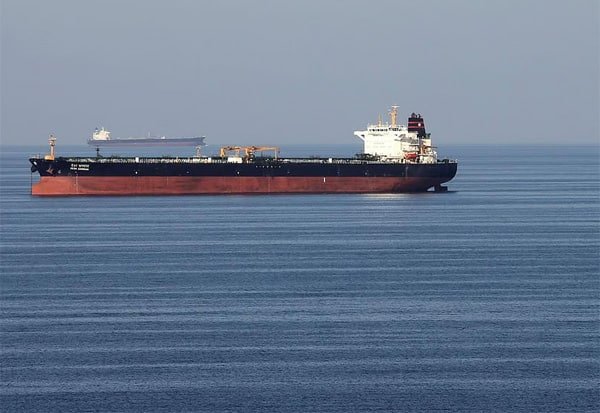
Dubai: Shipping through the Strait of Hormuz— the key sea route linking the Persian Gulf to the Arabian Sea—has largely stalled after Iran warned it would attack vessels using the passage, according to maritime analytics firms Windward and Kpler.
The strait is the main export corridor for crude produced by Gulf nations including Saudi Arabia, the UAE, Qatar, Bahrain and Kuwait. Around 20 million barrels of crude typically move through the route each day.
Amid escalating attacks by the US and Israel on Iran, with reports that air bases in countries such as the UAE and Kuwait are being used, Iran issued a warning aimed at those states. Following the threat, tanker movement fell sharply: on March 1, only three crude carriers reportedly transited with about 2.8 million barrels—an 86% drop from the daily average of 19.8 million barrels.
By early Monday, only a small tanker and a cargo ship were said to have crossed, while 706 crude tankers were waiting on both sides of the strait. The disruption immediately hit markets, with Brent crude rising about 10% to touch $80 a barrel, and European natural gas prices jumping over 40% after reported attacks on Saudi Aramco’s Ras Tanura refinery and a Qatar gas facility.
Analysts said if the situation persists for weeks, refiners in Asia and Europe may be forced to seek alternative supplies from the US, Africa and Russia. Countries heavily dependent on West Asian crude, including China and India, could face direct impact.