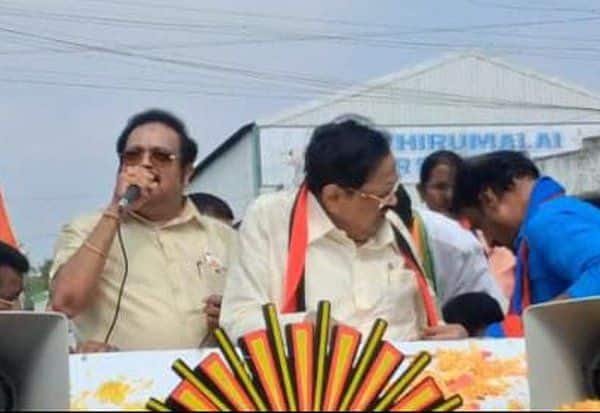
Many in today’s younger generation may not recognise Jana Krishnamurthi, a Madurai-born lawyer who later joined the RSS and became one of the founders of the Bharatiya Janata Party (BJP). Known for avoiding show and extravagance, he is remembered by colleagues and visitors for his straightforward manner.
The recollection is set against the backdrop of the 1996 Lok Sabha election, when the BJP emerged as the single largest party with 161 seats, short of the 272 needed to form a majority. Following convention, then President Shankar Dayal Sharma invited Atal Bihari Vajpayee to form the government, even as support from allies such as the Shiv Sena, Akali Dal and the Samata Party was still insufficient.
Vajpayee took oath as Prime Minister on May 16, 1996, along with 11 ministers including Murli Manohar Joshi, Sikander Bakht, Sushma Swaraj, Pramod Mahajan and Jaswant Singh. With a floor test due on May 28, efforts were under way to secure backing from parties such as the Bahujan Samaj Party and other regional groups; at the time, Jana Krishnamurthi served as a BJP vice-national president.
In a meeting at the BJP’s Ashok Road office in Delhi, the author says Jana greeted them warmly in Tamil but reacted sharply when asked how Vajpayee would prove a majority without clear support. Jana’s response, marked by visible irritation, conveyed his belief that Vajpayee would not have accepted the President’s invitation without weighing the numbers.
Ultimately, Vajpayee resigned on May 28 after failing to demonstrate a majority, ending his first term after 13 days. The writer presents the episode as a glimpse into Jana Krishnamurthi’s disciplined, no-nonsense temperament and his unwavering confidence in the party’s leadership.