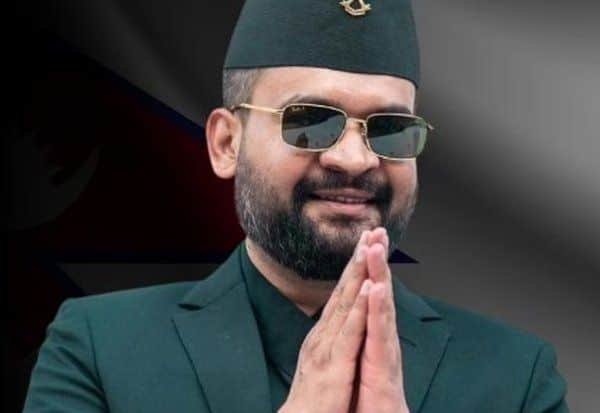
Kathmandu: Nepal’s National Freedom Party, the Rastriya Swatantra Party (RSP), led by 35-year-old Balendra Shah, is set to form the next government after winning a clear majority in the recently concluded parliamentary election.
The election followed months of unrest triggered by the government’s September 26 ban on social media. The move intensified public anger over long-standing issues such as corruption, unemployment and the perceived privileged lifestyles of political dynasties, leading youth and students to organise protests in large numbers.
In Kathmandu’s Maitighar Mandala area, thousands marched towards Parliament. Security forces were deployed to contain the agitation, clashes broke out and the protests turned violent, with government buildings and politicians’ homes set on fire. Police firing to control the violence reportedly left 76 people dead.
Amid the upheaval, the government led by Prime Minister K.P. Sharma Oli resigned, and an interim administration headed by Nepal’s first woman Chief Justice, Sushila Karki, took charge and lifted the social media ban.
In the election, veteran leaders including Sher Bahadur Deuba (Nepali Congress), former prime minister Oli (CPN-UML) and Pushpa Kamal Prachanda (NCP) were in the fray, but counting trends showed the RSP ahead. Of Nepal’s 275 seats, voting was held for 165, while the remaining 110 MPs will be appointed through proportional representation. Late-night updates indicated the RSP leading in over 110 seats, with Shah also ahead of Oli in Oli’s home constituency, Jhapa-5.