A youth-driven wave reshapes Nepal politics
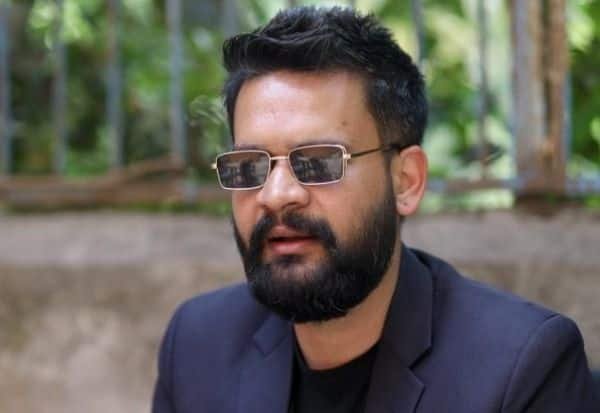
Nepal’s parliamentary election has delivered a major upset, with young voters rallying behind a new political force and rejecting long-dominant traditional parties. Rap singer Balendra Shah, 35, has emerged as the face of this shift.
RSP’s landslide in direct constituencies
Shah’s Rastriya Swatantra Party (RSP), launched in 2022, won 125 of the 165 directly elected seats, according to the final results released on Sunday. The party also secured more than 2.5 million votes, while no other party crossed the one-million mark.
Path to majority and prime ministership
Nepal’s House of Representatives has 275 members—165 elected directly and 110 filled through proportional representation based on overall vote share. With 138 seats needed for a majority, the RSP is expected to gain 50-plus additional seats through proportional allocation, positioning Shah to take office as the next prime minister.
Defeating former prime ministers, women’s wins
In Jhapa-5, Shah defeated former prime minister K.P. Sharma Oli by a margin of 50,000 votes, and another former prime minister, Madhav Nepal, was also defeated by an RSP candidate. Ten women candidates won in the election, nine of them from the RSP, while the Nepali Congress won 17 seats and the CPN-UML won seven.
Background: protests and demand for change
The election followed a period of unrest after the government imposed a ban on social media on September 26 last year, triggering protests that turned violent and left 76 people shot dead, leading to Oli’s resignation. An interim government led by former Supreme Court judge Sushila Karki oversaw the polls, in which anti-corruption, good governance and an end to dynastic politics became key demands among young voters.