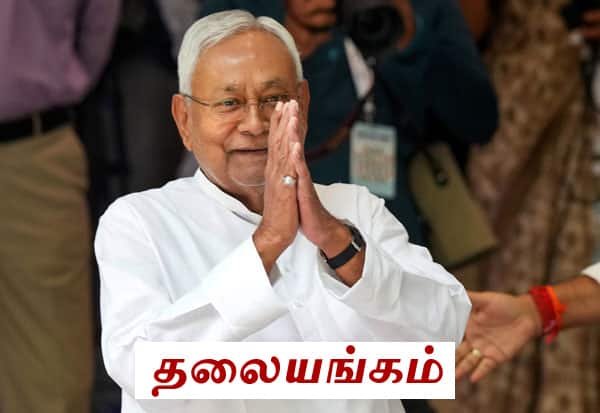
Bihar Chief Minister Nitish Kumar, 75, who took oath for a 10th term after the NDA’s victory in last year’s Assembly election, has decided to step down from the top post and move to the Rajya Sabha. He has recently filed his nomination for the Upper House.
Explaining the decision, Nitish said he had long wished to be a member of both Houses of Parliament. Having already served as a Lok Sabha MP, he said he now wants to serve in the Rajya Sabha.
The move has surprised political circles, as Nitish has remained at the centre of Bihar’s politics since first becoming Chief Minister in 2005. The article notes that before his rise, the state saw an intense phase of caste-based politics in the 1990s, and that Nitish broadened his political base by bringing multiple social groups together, alongside an alliance with the BJP.
It also recalls that when he first assumed office, Bihar faced a severe governance crisis, weak infrastructure and a poor public image linked to caste violence, kidnappings for ransom and land mafia. His administration prioritised law and order and policing reforms, while measures such as women’s reservation in jobs and local bodies, support for self-help groups and prohibition helped him retain support, including among women voters.
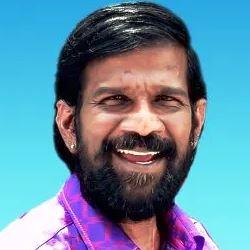
With Nitish stepping aside, questions have emerged over who will lead the state next. The article says a BJP leader could take over as Chief Minister, and that Nitish’s son Nishant Kumar may be offered the Deputy CM post as a political consolation, even as expectations remain that the next government will sustain the political balance and development momentum built over two decades.