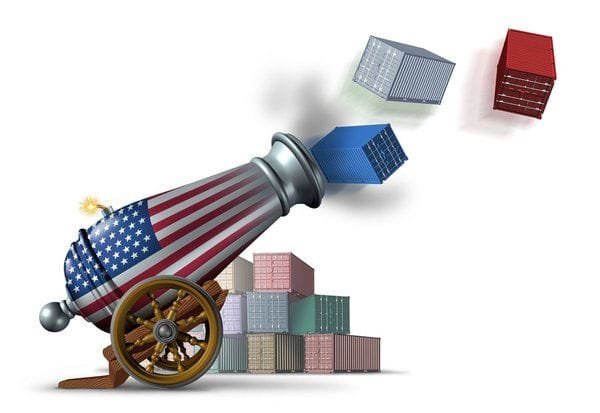
The United States has begun an investigation into the trade policies and industrial practices of India and 15 other countries, alleging “unfair trade practices” driven by production far exceeding demand.
The move follows last year’s “reciprocal tariffs” imposed by President Donald Trump on imports from several countries, including India, using the 1977 International Emergency Economic Powers Act. However, the US Supreme Court last month ruled those reciprocal tariffs invalid and struck them down.
After that ruling, Trump invoked Trade Act Section 122 to levy an additional 10% duty on all trading partners, a measure that can be applied only for up to 150 days under that provision.
Now, the US Commerce Department has initiated a fresh probe under Section 301 against 16 countries, including India. Reports suggest this route could allow the administration to continue imposing additional duties after the current 10% levy expires.
As part of the inquiry, the US has highlighted India’s solar cell manufacturing capacity, which is said to be nearly three times domestic demand, raising concerns about potential excess exports into global markets. The investigation also covers steel, petrochemicals, textiles and automobile manufacturing.