The Election Commission of India on March 15 announced the Assembly election schedule for five states—Tamil Nadu, Puducherry, Kerala, West Bengal and Assam. With the announcement, the Model Code of Conduct (MCC) came into force immediately.
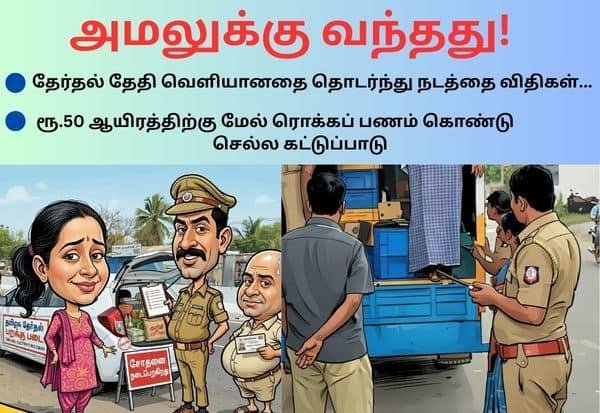
Under the MCC, members of the public are permitted to carry cash up to Rs 50,000. Those carrying more than this amount must keep supporting documents; otherwise, flying squads can seize the cash.
Authorities have begun removing political advertisements, posters and banners from public places and government walls. Flying squads and static surveillance teams have also started monitoring for violations, and special arrangements have been made to receive election-related complaints.
The code bars the ruling party from using government machinery, vehicles or officials for campaign purposes. It also prohibits using places of worship for campaigning, seeking votes on the basis of caste, religion or language, and distributing cash or gifts to voters or bargaining for votes.
Campaigning and public meetings are not allowed during the 48 hours leading up to the end of polling. The MCC is intended to ensure elections are conducted freely and fairly, and to prevent misuse of public resources and other prohibited practices during the election period.