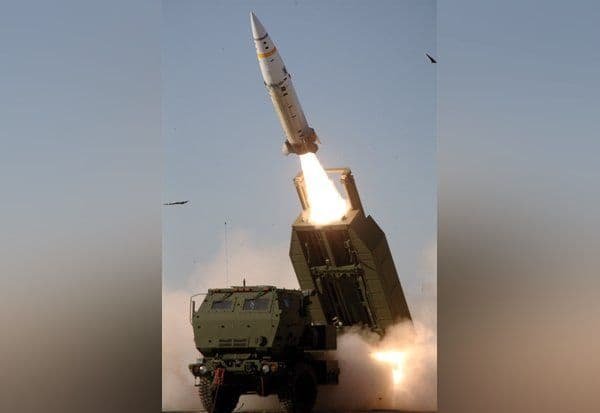
Tensions and open conflict in West Asia are expected to push up global weapons demand in the coming months, with US defence manufacturers likely to be among the biggest beneficiaries, according to reports and military analysts.
The situation escalated after a joint US-Israel strike on Iran on February 28, which, the report says, pushed the wider region into a war-like environment. Following the killing of Iran’s supreme leader Ayatollah Ali Khamenei, the confrontation has intensified beyond border clashes, with the conflict described as moving toward efforts aimed at regime change.
Iran has also launched missile attacks not only toward Israel but against neighbouring countries that have hosted US military facilities, including the United Arab Emirates, Bahrain, Saudi Arabia, Kuwait, Qatar and Iraq. The developments have spilled over into the global economy, while the outcome and duration of the Iran-Israel-US conflict remain uncertain.
In the US, President Donald Trump has reportedly directed major defence manufacturers such as Lockheed Martin, BAE Systems and RTX (Raytheon) to scale up production capacity by four times. Within days of the fighting, West Asian countries and US forces used more than 1,000 Patriot missiles, and with demand rising, defence company stocks have climbed.
Separately, a report by the Stockholm International Peace Research Institute (SIPRI) noted that India ranks second globally in arms imports, behind Ukraine. It said India has reduced dependence on Russian imports over the past decade—from about 70% in 2011–15 to around 40% in 2021–25—while increasing purchases from France, Israel and the US, and warned that disruptions in global supply chains could still significantly affect India.