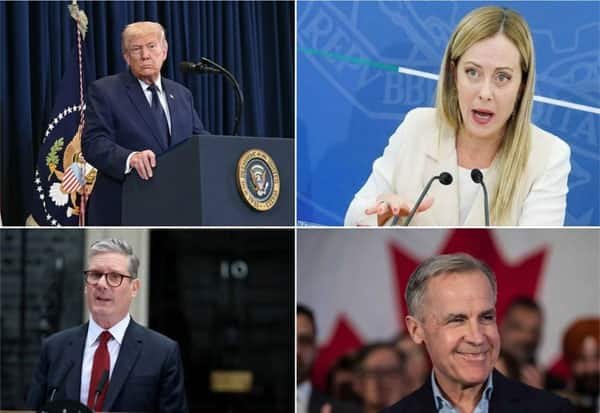
New York: US President Donald Trump’s appeal for countries to help protect oil tankers in the Strait of Hormuz has drawn no takers, with NATO members collectively declining to join the effort.
The report links the disruption in shipping to the ongoing war being waged by the US and Israel against Iran. With Iran controlling the strait, vessel movement through the route has been affected, pushing up global crude oil prices as the corridor carries around 20% of the world’s crude oil and natural gas.
Trump had initially said US ships would provide protection to oil-carrying vessels, but later stepped back, citing the risks involved. He then called on other nations—especially NATO members and countries that buy oil through the route—to deploy their naval vessels, warning that those who do not cooperate could face a “very bad” future.
Several governments publicly rejected the request. Spain’s defence minister Margarita Robles said such a demand would never be accepted. Italy’s Giorgia Meloni-led government also refused to take part. Estonia’s foreign minister questioned Trump’s intent and plan, while UK Prime Minister Keir Starmer said it was not a simple task and that Britain was not keen to be drawn into a wider war.
Japan and Australia said they had no plan to send warships. China, a major oil importer, has condemned Trump’s war and is unlikely to participate. Trump later spoke to Starmer by phone to press his case, but Starmer reiterated that sending warships was not possible. Canada’s Prime Minister Mark Carney said Canada supports efforts to stop Iran’s nuclear weapons programme and terrorism, but will not join military operations attacking a country. With no country stepping forward, the next move from Trump—whether deploying US warships or considering punitive steps such as tariffs—remains unclear.