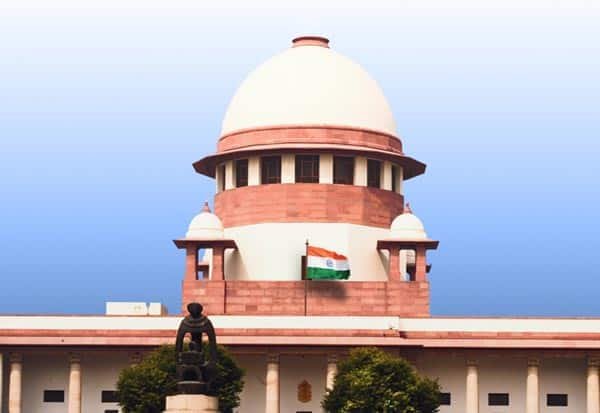
New Delhi: The Supreme Court has expressed concern that in the digital age, almost anyone with a mobile phone can act like a journalist by uploading videos on social media, creating challenges for a fair investigation.
Hearing a public interest petition filed by Hemendra Patel, the court noted that soon after a crime, police often arrest suspects and circulate their photos and videos online. The judges observed that such content can plant a one-sided impression in the public mind and affect the dignity of the arrested person.
A bench comprising Chief Justice Suryakant and Justices Jaymalya Bagchi and Vipul M. Pancholi said police must avoid bias while sharing information with the media. One-sided narratives, the court said, can create an image that the accused is already guilty, even though a person is neither guilty nor innocent until the case is proved.
The bench pointed out that while there are manuals to regulate police conduct and television channels generally follow structured norms, controlling social media is difficult. It also flagged misuse of “journalist” stickers on vehicles by some individuals for personal gain and to evade the law.
The court granted police three months to frame standard operating procedures on dealing with the media, noting that guidelines are expected to come into force in April. It suggested filing a broader petition covering police, media and social media after April, following which the petitioner withdrew the plea.