Alliance doubts after Shah’s Chennai visit
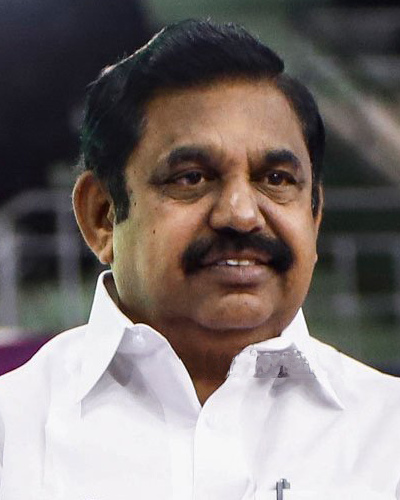
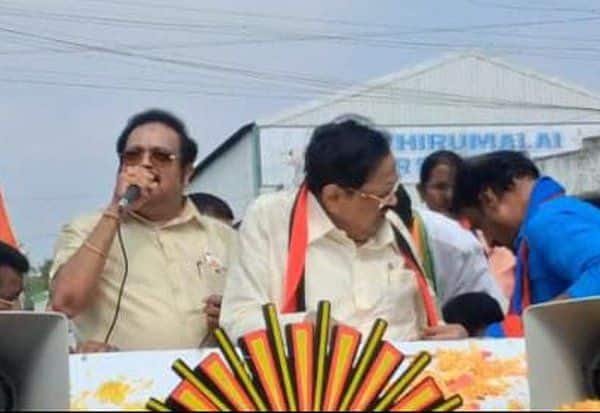
When Union Home Minister Amit Shah visited Chennai on April 11 last year and announced the AIADMK–BJP alliance, AIADMK general secretary Edappadi K. Palaniswami (EPS) remained silent at the joint media interaction. His body language and the subsequent debate over whether the front should be called the NDA or an AIADMK-led alliance fuelled criticism that the BJP was calling the shots.
Questions over coordination and leadership
With few joint protests or public meetings, talk of a lack of coordination between the two parties—and even among cadres—gained ground. Palaniswami’s multiple trips to Delhi to meet Shah over the past year were used by DMK leaders to taunt him, while sections of AIADMK workers expressed unease, reinforcing the perception that EPS was operating under BJP pressure.
DMK’s ‘mega alliance’ faces friction
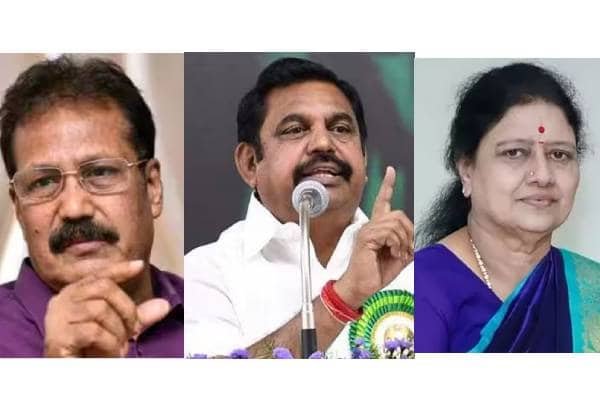
Even as the DMK expanded its alliance to 22 parties, negotiations reportedly turned difficult, particularly with the Congress, before an agreement was reached for 28 seats. The seat-sharing process also triggered discontent among partners, including the CPI(M), and Tamilaga Vazhvurimai Katchi leader Velmurugan exited the alliance alleging humiliation. The DMK later moved quickly to finalise an understanding with the VCK for eight seats, including two general constituencies.
AIADMK camp projects a ‘first victory’
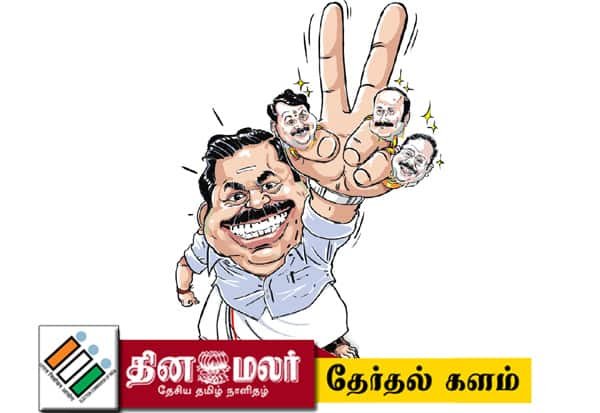
Against this backdrop, the AIADMK side has sought to frame Palaniswami’s handling of alliance-related criticism as a “first victory,” contrasting it with the DMK’s prolonged bargaining. The narrative gained traction after EPS met Shah in Delhi on March 2, amid speculation about BJP demands in seat allocation and who ultimately decides key alliance terms.