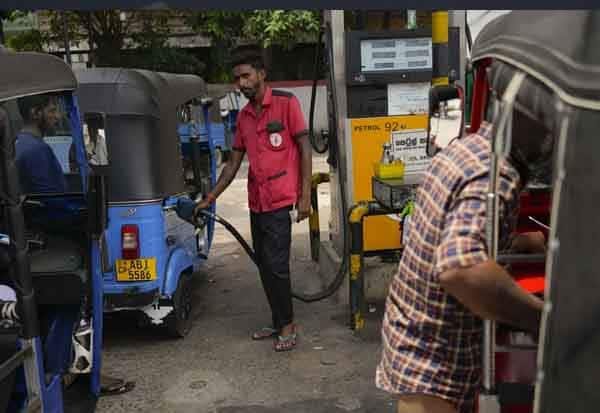
New disruptions in global oil flows have triggered a fuel crunch across several countries, with governments raising petrol and diesel prices and rolling out emergency curbs to reduce consumption.
The situation has been linked to the ongoing war involving the US and Israel against Iran, now nearing a month. Iran has blocked the Strait of Hormuz, a key route for global oil trade, disrupting shipping and tightening crude availability.
The impact has spread beyond Asia to parts of Africa and Europe that depend heavily on Gulf supplies. The report said Pakistan has sharply increased fuel prices, while Sri Lanka has raised charges by 25%. Gas shortages have also been reported.
To manage the shortfall, countries including India, China and South Korea have begun increasing coal use again. Several governments have also introduced limits on vehicle movement, electricity consumption and working hours, while Thailand, the Philippines and Vietnam have moved to boost coal production or reduce petroleum use.
Among the measures listed: Pakistan ordered a two-week closure of schools and colleges and shifted government staff to a four-day week with work-from-home for half the workforce. Sri Lanka reintroduced a QR-code based fuel card and announced midweek holidays for schools, universities and non-essential staff. Bangladesh moved universities and certain schools online, capped fuel per vehicle from March 8, imposed five-hour rotational power cuts and shut fertiliser factories due to gas shortages. Other steps include bans on selling fuel in cans in Bhutan, odd-even vehicle rules in Myanmar and Cambodia, partial closure of fuel stations in Laos, and New Zealand considering a weekly no-car day while flight cancellations rose due to lack of aviation fuel. Slovakia raised prices for foreigners and limited additional diesel purchases beyond a full tank to 10 litres.