DMK has repeatedly mocked AIADMK as a “slave party” of the BJP, pointing to alliance talks said to have taken place in Delhi and citing political developments in states like Maharashtra and Bihar to warn that BJP could eventually “swallow” AIADMK.
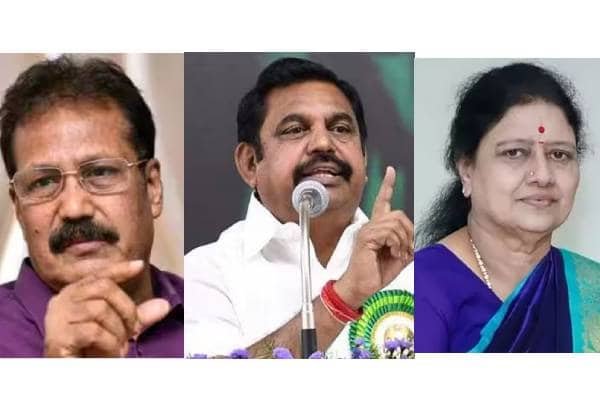
The article counters that AIADMK leader Edappadi K Palaniswami has not conceded key demands. It says BJP’s efforts to bring O Panneerselvam back into AIADMK did not succeed, and Sasikala was not allowed closer to the party’s fold. On seat-sharing, it notes reports that BJP sought higher numbers, but AIADMK settled on 27 seats.
It further claims AIADMK did not allocate constituencies considered favourable to BJP, triggering internal discontent in the BJP, with meaningful allocations largely limited to Kanyakumari district. It also states that AIADMK did not offer any seat in the Kongu region where BJP state president K Annamalai could potentially contest.
On policy, the piece says AIADMK’s election manifesto contains several positions that do not align with BJP’s ideological preferences, including a clear reiteration of Anna’s two-language policy. It adds that the manifesto speaks of efforts to include Dalit Christians and Muslims within the Scheduled Caste definition and takes positions on Centre–State relations and fiscal sharing that it describes as closer to DMK’s stance.
The article argues the “slave party” narrative was first drawn by M K Stalin after Jayalalithaa’s death, when BJP played a role in facilitating a reunion between Palaniswami and Panneerselvam, frustrating DMK’s expectations of AIADMK’s collapse. It also suggests DMK’s allies—VCK, the two Communist parties and MDMK—have political reasons to amplify the label, as a continued AIADMK–BJP alliance could further reduce their bargaining power and seat allocations within the DMK-led front.