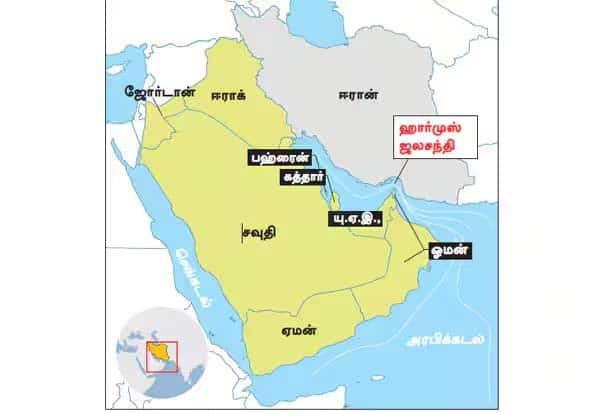
Tehran: Escalating war tensions in West Asia have triggered a fresh energy shock after Iran shut the Strait of Hormuz, disrupting fuel flows and affecting countries worldwide, including India. Governments are responding with a mix of price measures, tax changes and consumption curbs.
In India, the Centre cut excise duty on petrol and diesel by Rs 10 per litre to ease the burden on oil companies. To ensure uninterrupted domestic availability, export duty has been imposed on diesel and aviation turbine fuel. Authorities said there is no shortage of petrol, diesel or LPG cylinders, while also urging urban consumers to shift to piped natural gas (PNG) as an alternative.
Sri Lanka has tightened fuel restrictions and reintroduced a QR-code-based distribution system to limit vehicle fuel use. With the conflict continuing, fuel prices have risen by about one-third, and the country has announced two weekly holidays to conserve fuel; concerns have also grown over fertiliser shortages and rising food prices.
In Pakistan, kerosene prices have increased, alongside notable hikes in petrol and diesel. A sharp rise in aviation fuel has pushed up airfares, with domestic ticket prices on key routes reportedly climbing significantly, including up to 150% on some sectors.
Vietnam has moved to contain price pressures by temporarily suspending environmental protection taxes on petrol, diesel and aviation fuel until mid-April, leading to an estimated 26% drop in petrol prices. In Egypt, shops and restaurants have been advised to operate only until 9 pm and street lighting has been reduced; Prime Minister Mostafa Madbouly said fuel expenditure has doubled, necessitating special steps to manage demand.