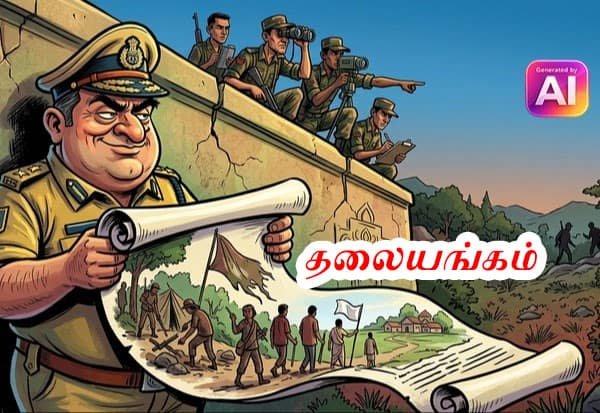
Union Home Minister Amit Shah has told Parliament that the country has been freed from the Naxal threat and that the Centre’s target of eliminating Naxalism by March 31, 2026 has been achieved. The statement raises hopes that years of deadly attacks may finally be behind communities in affected regions.
The Naxal movement began in 1967 in Naxalbari village in West Bengal’s Darjeeling district, when farmers launched an armed struggle against feudal exploitation. Over time, it spread across more than 200 districts in states including Chhattisgarh, Telangana, Andhra Pradesh, Odisha, Maharashtra, Madhya Pradesh, Jharkhand, Kerala and Bihar.
For decades, people in these areas—especially tribal communities—were unable to access basic infrastructure, development schemes and quality education. The editorial notes that poverty and sharp socio-economic disparities in forested belts of central and eastern India are not as severe as they once were, with welfare programmes reaching marginalised groups and “Red Corridor” regions seeing improvements in roads and communications.
It adds that effective operations by security forces have significantly weakened Naxal violence, making it difficult for the outfit to function as an organised insurgency. However, it cautions that the movement cannot yet be declared fully defeated, as issues such as land grabbing, exploitation and gaps in the reach of political and welfare benefits still persist.
To ensure Naxalism does not re-emerge, the editorial argues for making development in former strongholds genuinely inclusive and for ending situations where only a few groups dominate. It also urges the Centre to continue monitoring remaining underground leaders for the next few years, warning they could regroup when conditions appear favourable.