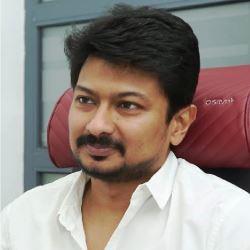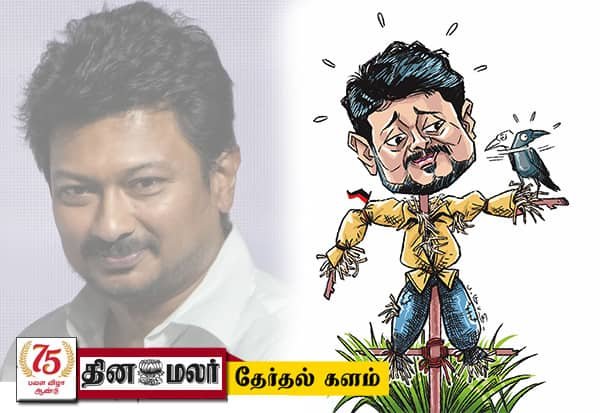
Deputy Chief Minister Udhayanidhi Stalin, who took part in a recent candidate interview at the DMK headquarters Anna Arivalayam, told reporters that he answered questions about the constituency and that the leadership would “think and decide.” The subdued response has triggered fresh discussion within political circles about his standing in Dravidian politics.
The article argues that political stature is typically built through mass appeal that converts attention into votes, sustained public service that creates grassroots visibility, or strong ideological and debating ability. It notes that while some leaders have risen through charisma or ideas, Udhayanidhi’s attempts to draw public attention have not translated into comparable political traction.
It also points to controversies around his remarks on “Sanatana Dharma” and his speeches against NEET, saying these have been used by critics to question his political maturity and have created complications beyond Tamil Nadu. In contrast, it highlights Chief Minister M K Stalin’s long-term party work and outreach to cadres as a model of “inclusive politics,” while alleging that Udhayanidhi is rarely seen engaging directly with party workers.
On governance and visibility, the piece asks whether he has delivered any widely remembered flagship initiatives as Sports Minister over the past five years or as Deputy Chief Minister over the last two, or played a notable representative role in major meetings. It further criticises his limited engagement with the media, contrasting it with leaders known for handling tough questions regularly.
While acknowledging that he is a powerful figure within the DMK and often leads events where the Chief Minister cannot attend, the article concludes by questioning whether that authority stems from personal influence or from a family-centric structure, and comments on the limited space for internal party democracy.