A report by the Comptroller and Auditor General (CAG), presented in the Jammu and Kashmir Assembly, has raised alarm over the rapid decline of natural lakes in the Union Territory. The findings were part of performance reports for 2024–25 and 2025–26 covering multiple sectors, including environment.
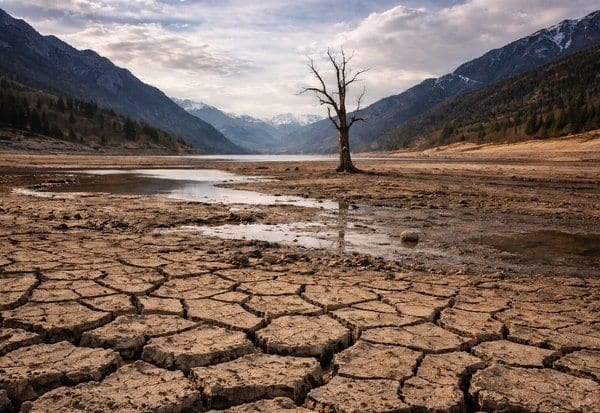
According to the CAG’s environmental observations, Jammu and Kashmir once had 697 naturally formed lakes across 20 districts. Of these, 315 lakes have disappeared entirely, while 203 have reduced in size. The report notes that over the 57-year period from 1967 to 2024, more than 74% of the lakes have either vanished or shrunk.
The audit estimates that the 315 missing lakes accounted for about 3,800 acres, and the 203 shrinking lakes have collectively reduced by around 3,200 acres. It warns that the loss is directly affecting flora and fauna, water resources, food production and overall ecological balance, and has already contributed to drinking water shortages that could worsen.
The report also underlines the role of lakes as natural flood buffers in both urban and rural areas. With lake areas declining year after year, the impact of the 2014 floods in Jammu and Kashmir was aggravated, it said.
Pointing to governance gaps, the CAG said there is no dedicated legal framework or a centralised authority for lake protection. Responsibilities are split among five departments—forests, revenue, agriculture, urban development and tourism—while a detailed lake study ordered as early as 1989 was not carried out due to technical and manpower shortages. Protection plans, the report added, have been implemented only for six prominent lakes such as Dal and Wular, with no plans prepared for the remaining lakes; inadequate sewage treatment capacity, weak monitoring and lack of integrated urban planning were cited as key drivers of degradation.