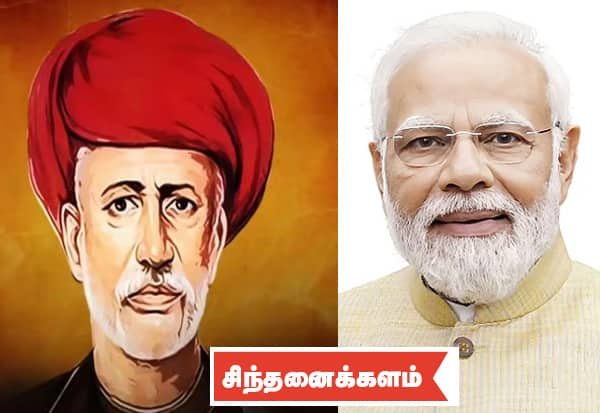
April 11 is being observed as the birth anniversary of Mahatma Jyotirao Phule, one of India’s foremost social reformers. This year gains added significance as celebrations for his 200th birth anniversary are set to begin.
Born in 1827 in Maharashtra to a modest family, Phule’s early hardships did not deter him from learning or from dedicating himself to social change. His life is remembered for courage, persistent inquiry and an unwavering commitment to public welfare.
Education stood at the heart of his mission. At a time when learning was denied to many, he opened model schools for women and for those who lacked access to formal education, arguing that knowledge should be shared rather than guarded as a privilege.
Phule also worked to uphold the dignity of the poor, the backward and the marginalised, while stressing the need to protect social harmony. The Satyashodhak Samaj founded by him emerged as a major reform movement, focusing on social service, reform and the advancement of human dignity.
The article also recalls the role of Savitribai Phule, a reformer and teacher who strongly advocated quality education for women and continued the mission after Phule’s death. During the 1897 plague outbreak, she served the affected with dedication and later died after contracting the disease herself.