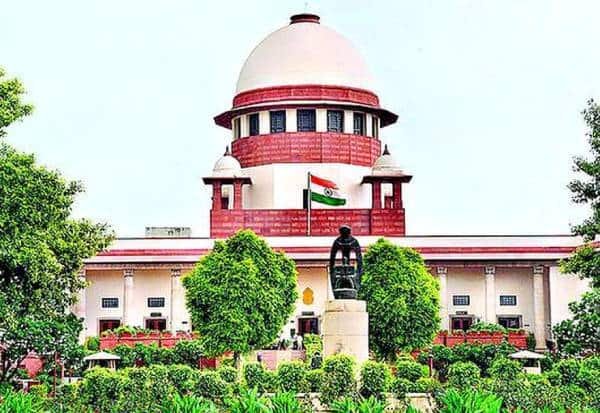
The Supreme Court, hearing petitions alleging violation of gender equality at places of worship including Sabarimala, observed that it is a difficult task for courts to declare the faith of lakhs of people as “wrong” or “false”.
The matter is being examined by a nine-judge Constitution Bench led by Chief Justice Suryakant, which is considering seven key legal questions connected to religious rights and freedoms, arising from the plea seeking entry for women of all ages at the Sabarimala Ayyappa temple.
Appearing for the Travancore Devaswom Board, senior advocate Abhishek Singhvi argued that while Article 25 protects individual freedom, it should not be interpreted in a way that undermines the collective faith of a community. He said courts should recognise a belief if it is genuine and in practice, and cautioned against judges assessing religious practices from an external viewpoint.
The Bench raised questions on whether courts can intervene when discrimination exists within religion, who decides what constitutes an “essential religious practice”, and how to distinguish ritual from administration. Singhvi responded that PILs should not become a tool to scrutinise faith, and that the threshold for judicial intervention in religious matters must be far higher than in ordinary disputes.
He further contended that the State may regulate administrative or commercial aspects such as procurement and transport arrangements, but cannot directly reform the nature of the deity or modes of worship. He argued that Sabarimala’s practice is tied to the deity’s ‘naishtika brahmachari’ identity and that the age-based restriction is not a gender bar, citing that girls below 10 and women above 50 are allowed. The hearing is set to continue.