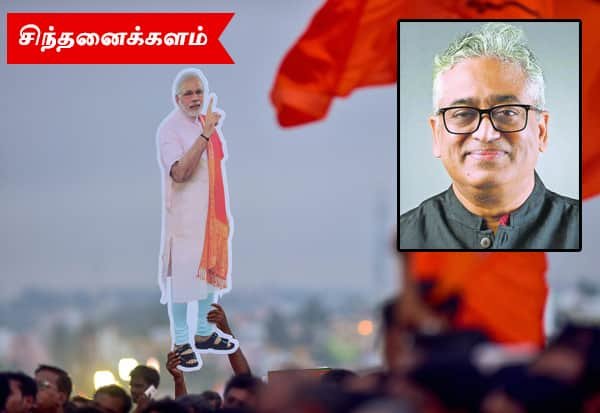
A renewed political debate has emerged around the implementation of the women’s reservation law, which was passed in Parliament in 2023. The timing of the BJP’s fresh push has raised questions about whether it is aimed at electoral gains, distraction from economic pressures, or projecting Prime Minister Narendra Modi as a champion of women.
What began as a discussion on women’s representation has now widened into a contentious issue: parliamentary constituency delimitation. The long-simmering North–South fault line is being invoked again, with leaders warning that any move seen as hurting southern states could trigger strong protests.
Telangana Chief Minister Revanth Reddy has cautioned that decisions affecting southern states could lead to unprecedented agitation. Tamil Nadu Chief Minister M.K. Stalin, speaking during election campaigning, also struck a warning tone toward the Centre, suggesting a return to an older, more confrontational DMK posture.
The core concern is demographic change. Over the past five years, population growth has been higher in several northern states, while Tamil Nadu, Kerala, Andhra Pradesh and Karnataka have seen relatively controlled growth after prioritising public health, education and family planning. Under the Constitution, if delimitation is carried out strictly on population after the 2026 census, southern representation in the Lok Sabha could fall, even if the exercise aligns with the “one person, one vote” principle.
Union Home Minister Amit Shah’s suggestion to increase representation for all states by 50% is seen as a possible way to ease tensions, but critics say it has come too late and without adequate consultation. The article argues that the Centre’s perceived unilateral approach has deepened mistrust and reinforced fears of northern dominance, even as it notes the South’s outsized contribution to GDP, exports and tax revenues through hubs such as Chennai, Bengaluru and Hyderabad.