
Ceasefire extended amid uncertainty
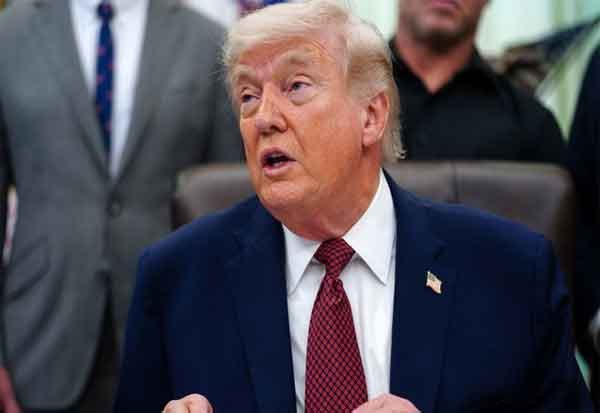
US President Donald Trump has announced an extension of the temporary ceasefire with Iran, even as tensions remain high and fresh peace talks appear uncertain.
Background to the conflict
The US and Israeli forces carried out a joint strike on Iran on February 28, after which Iran began retaliatory actions and shut the Strait of Hormuz. The move disrupted global crude oil supplies, prompting international pressure that led Washington to declare a temporary ceasefire, which was due to end today.
Talks fail to reach agreement
With Pakistan acting as a mediator, a first round of talks was recently held between the US and Iran. After initial discussions with Pakistan and acceptance of certain conditions, the two sides held direct talks that lasted about 21 hours but ended without an agreement.
Dispute over Hormuz and next steps
Efforts are continuing—led by Pakistan and other countries—to restart negotiations. However, disagreements over the Strait of Hormuz persisted, with Iran demanding a full US military withdrawal from the area; when this was not accepted, Iran fully closed the strait, stalling the peace process.
Trump cites Pakistan request and Iran’s internal divisions
In a statement, Trump said Iran’s government is divided and that, at the request of Pakistan Army Chief Asim Munir and Prime Minister Shehbaz Sharif, the ceasefire will be extended until Iran presents a unified proposal related to a peace agreement. He also said he has instructed readiness on other fronts while Iran continues its naval blockade, and that the ceasefire would remain in place until negotiations on Iran’s proposal conclude, regardless of the outcome.
Vance trip postponed
Meanwhile, US Vice President Vance’s planned trip to Pakistan for peace talks has been postponed.