As many young voters head to polling booths for the first time, the Election Commission has provisions to handle unexpected issues and ensure eligible voters are not turned away.
Most voters cast their vote through Electronic Voting Machines (EVMs), while government employees may use postal ballots. Beyond these, three important methods—tender vote, challenge vote and proxy vote—are available in specific situations.
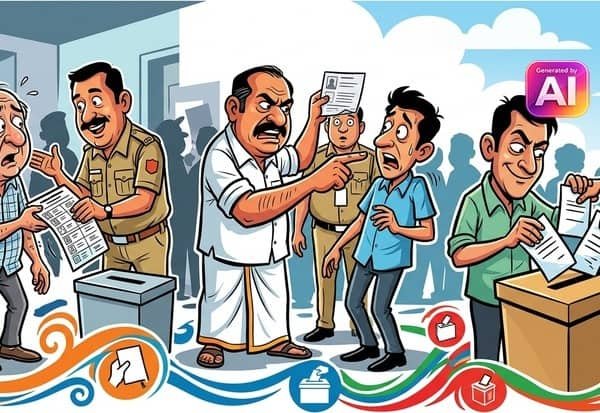
Tender vote: If you reach the booth and find that someone has already voted in your name, you need not panic. After verifying your identity documents with the presiding officer, you can be allowed to vote using a ballot paper. This vote is not recorded on the EVM, and it is considered during counting only if the final result is extremely close.
Challenge vote: A party agent at the booth may object and claim you are not the genuine voter. To raise such a challenge, the agent must pay a fee of Rs 2 to the election officer. Your documents will then be checked; if you are confirmed as the rightful voter, you will be permitted to cast your vote, and action may be taken if the objection is found to be false.
Proxy vote: This facility is meant for defence personnel serving at the country’s borders. If they are unable to vote online, they may vote through an authorised close blood relative—such as father, mother or wife—living in their home constituency, with prior permission. Proxy voting is done through a ballot sheet, not via the EVM.