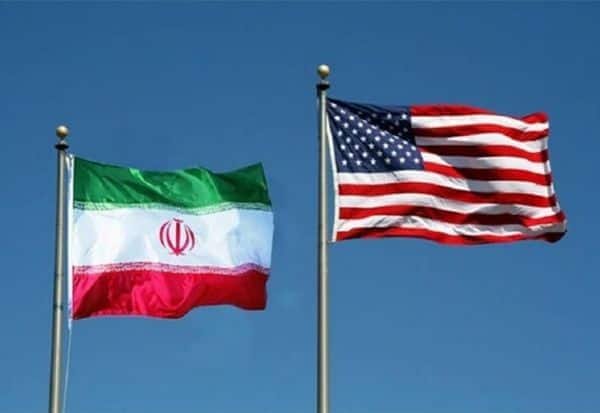
Peace talks expected to ease the long-running hostility between the United States and Iran have hit a roadblock after President Donald Trump ordered US representatives not to travel for the next round of discussions.
A second-stage meeting had been arranged in Islamabad, Pakistan, and was reportedly planned in secrecy. US special envoy Steve Witkoff and Trump’s son-in-law Jared Kushner were expected to travel for the talks, but the trip was cancelled at the last moment.
In a social media post, Trump cited what he described as a power struggle and confusion among Iran’s leadership, saying it was unclear who held authority. He added that if Iran wanted talks, it should invite the US.
Iran, however, is said to be waiting for Trump to make the first move, leaving the standoff unresolved and raising fears of renewed conflict. Meanwhile, the Strait of Hormuz—critical for crude oil movement—has come under a two-sided blockade-like situation involving the US and Iran, with shipping through the route reported to have dropped by 97%.
The disruption has pushed up global prices of fuel and fertilisers. Analysts cited in the report say Iran is seeking to pressure the US through an energy crunch, while pointing to factors such as upcoming US House elections, dissatisfaction among some NATO countries over economic fallout, and signs of divisions within the US administration, including the resignation of senior officials like Navy Secretary John Phelan.