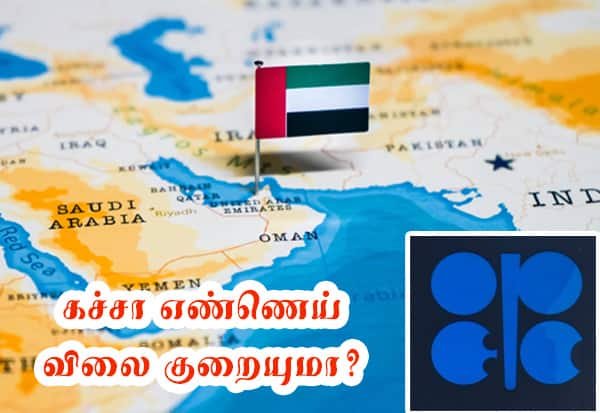
The United Arab Emirates (UAE) has announced that it will withdraw from the OPEC and OPEC+ groupings starting May 1. The decision comes amid widening political and economic differences with Saudi Arabia, the most influential member of the oil producers’ bloc.
OPEC, headquartered in Vienna, is a 12-member organisation that seeks to influence global crude output and prices. The UAE has been part of the group since 1967, but recent developments in the region have intensified competition and strained ties between Abu Dhabi and Riyadh.
According to the report, Saudi Arabia’s push to modernise its economy through initiatives such as “Vision 2030” has included pressure on foreign firms to shift their regional headquarters to Saudi Arabia. This has reportedly led some Saudi media and business entities that operated from Dubai to move back, creating direct competition for the UAE’s role as a regional commercial hub.
The relationship has also been tested by developments linked to Yemen, where both countries had earlier fought together against Iran-backed Houthi rebels. The report says tensions rose after the UAE sent an arms shipment to a faction it supports, which was later destroyed in a Saudi strike.
On the economic front, the UAE has expressed concern that OPEC’s Saudi-led production restrictions could hurt its growth. It has also accused the United States of ramping up crude production at will, which the report says is weakening OPEC’s market influence. The UAE said it plans to increase investment in domestic oil production and strengthen its position in global markets after leaving the bloc.