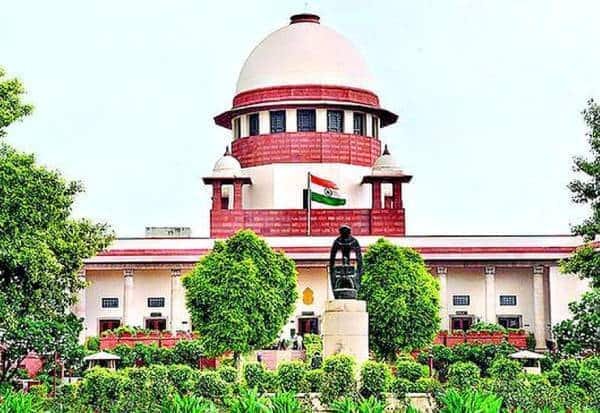
The Supreme Court, hearing a batch of matters linked to Sabarimala and broader questions on religious freedom and alleged discrimination at places of worship, on Tuesday posed a key query: can an atheist claim a right to enter a temple located far away from where they live.
A nine-judge Constitution Bench led by Chief Justice Suryakant continued the hearing for the 10th day. Senior advocate Indira Jaising appeared in support of the 2018 verdict that allowed women of all ages to enter the Sabarimala temple.
Jaising referred to the visits by Bindu Ammini and Kanaka Durga after the 2018 ruling, and argued that denying entry amounted to an infringement of fundamental rights. She also said that restricting women between the ages of 10 and 50 effectively deprives them of a significant part of their lives.
The judges, however, noted that the restriction discussed was based on the age bracket and not on caste. Justice B.V. Nagarathna questioned whether the demand for entry came from devotees or atheists, and who prompted such claims.
Justice Asanuddin Amanullah also raised concerns about intent, asking whether it would be appropriate if someone claiming strong belief entered a temple and behaved in a manner that hurt devotees’ sentiments. The Bench said the hearing will continue and posted the matter to May 5.