Tamil Nadu’s recent political shift may look sudden to many, but it is not surprising to those who have closely watched past trends, writes former police superintendent M. Karunanidhi. He argues that public anger often builds quietly when everyday needs—jobs, safety from lawlessness, and access to rights and welfare—are blocked by misconduct and bribery.
According to the author, this accumulated resentment surfaces during elections and cannot be erased by smiles, performances or money. He says elected representatives must respond with genuine care when individuals or groups approach them with legitimate requests, instead of pushing them away with excuses.
He criticises a pattern where some legislators, after taking office, focus on corridors of power and personal benefits while ignoring their constituencies until the next election. Such neglect, he notes, is amplified by opposition parties and social media, making it difficult for these leaders to face voters again—though he adds there are exceptions whom people continue to support.
Reflecting on the latest election outcome, he says parties that once dominated power suffered setbacks because failures were highlighted more than welfare measures, leading voters to give a new leader a chance—similar to shifts seen in 1967 and 1977. He also contends that even when voters accept money during elections, they can still use their vote to deliver a different verdict.
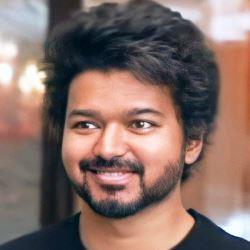
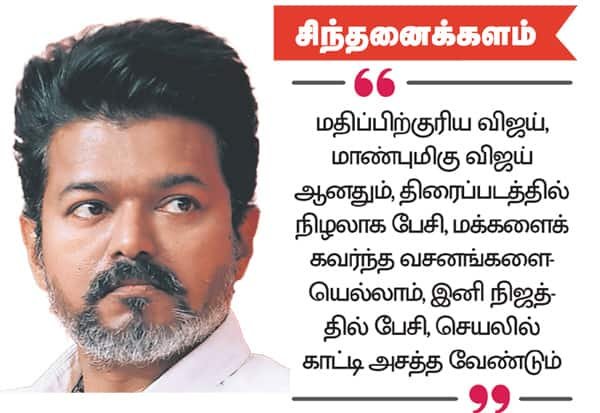
Turning to Vijay, the writer says people now expect him to translate the appealing dialogues of cinema into real-world governance and visible results. He urges Vijay to closely monitor officials, question their claims, and choose honest, capable and experienced administrators who are unafraid to point out mistakes.