New Delhi
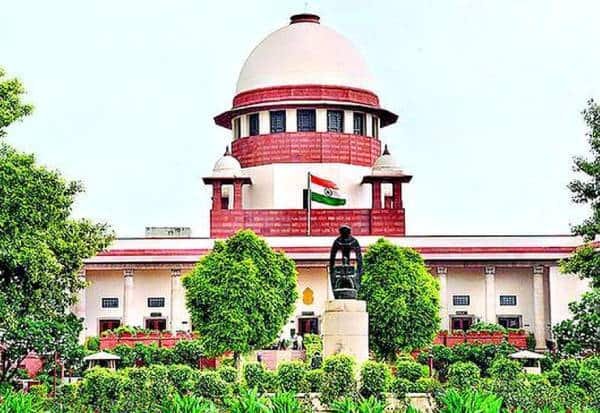
A nine-judge Constitution Bench of the Supreme Court, hearing matters linked to Sabarimala and broader questions on religious freedom and discrimination, raised concerns over inconsistent legal positions in similar petitions filed under Article 32.
During the 12th day of hearings led by Chief Justice Surya Kant, senior advocate Darius Khambata argued a challenge to a practice in the Parsi community where a woman is excluded after marrying outside the faith. He submitted that courts should exercise restraint in matters of genuine religious practice, while insisting that a claim cannot rest on belief alone and must be shown to be part of the religion’s foundational doctrine.
Senior advocate Raju Ramachandran, appearing for reformists challenging restrictions in the Dawoodi Bohra community, argued that social exclusion in the name of religion amounts to depriving a person of the constitutional right to life and violates individual dignity.
Justice B.V. Nagarathna referred to a 1962 Supreme Court ruling that upheld a similar practice, and said that if the earlier judgment is to be challenged, it should be done through a review or appropriate relief petition, rather than directly invoking Article 32 as a fresh fundamental-rights claim.
Justice Nagarathna also recalled that the court had earlier debated why the Sabarimala petition under Article 32 was entertained, and said the same bench cannot take one position in the Sabarimala matter and a different one in the Dawoodi Bohra petition. The hearing continues on Wednesday.