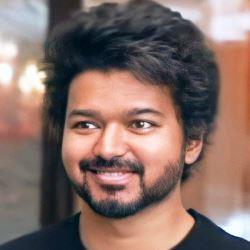
Tamil Nadu’s Assembly election has produced a hung House, with no party securing a clear majority. Vijay’s Tamilaga Vettri Kazhagam emerged as the single largest party by winning 108 seats, but fell short of the numbers needed to form a government on its own.
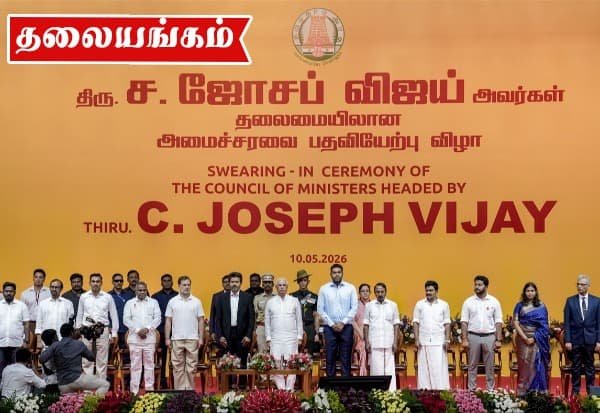
After more than six days of political negotiations, Vijay was sworn in as Tamil Nadu’s 13th Chief Minister. The two Communist parties, Viduthalai Chiruthaigal Katchi and the Muslim League have announced outside support, while the Congress has said it will join the government, with its nominees expected to be inducted as ministers in the coming days.
Vijay launched his party in February 2024 and stayed out of that year’s Lok Sabha election, declaring the 2026 Assembly polls as his main target. His campaign faced setbacks, including a deadly crowd crush at a Karur rally that killed 41 people, a CBI probe linked to the incident, and other constraints that limited his campaigning.
Soon after taking office, Vijay signed files related to three key announcements, including a promise of 200 units of free electricity for consumers using up to 500 units. He has said he will not tolerate wrongdoing and that election commitments will be implemented in phases, seeking time to do so.
With the state’s debt said to have crossed Rs 10 lakh crore, Vijay has promised a white paper on Tamil Nadu’s finances before rolling out manifesto pledges. The article notes that annual revenue is around Rs 3.50 lakh crore, while expenditure—covering salaries and welfare schemes—stands at roughly Rs 4.50–5 lakh crore, making immediate delivery of costly promises such as raising the monthly women’s entitlement from Rs 1,000 to Rs 2,500 and providing six free LPG cylinders a year difficult. It also points to the challenge of managing relations with the Centre and balancing pressures from supporting parties as the new government navigates daily political and fiscal tests.