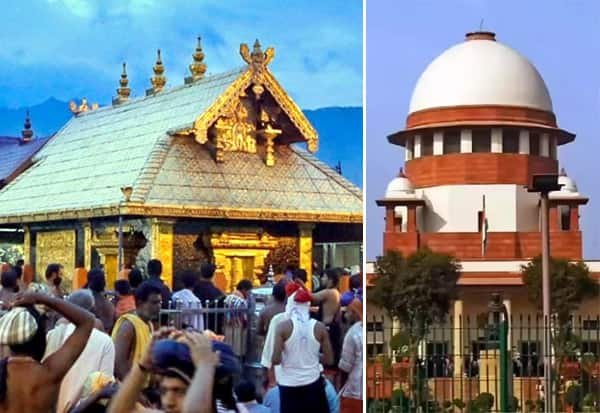
The Supreme Court, hearing petitions linked to the Sabarimala Ayyappa temple issue and alleged discrimination against women in religious practices, observed that a person need not visit a temple to establish their Hindu faith.
A nine-judge Constitution Bench led by Chief Justice Surya Kant continued the hearing for the 15th day. Solicitor General Tushar Mehta, appearing for the Centre, argued that courts should exercise restraint in religious matters and allow reforms to be carried out through legislatures in line with the wishes of the majority community.
Responding, Justice Joymalya Bagchi said constitutional fundamentals cannot be overridden, and that it is the duty of courts to test whether even majority-backed practices comply with the Constitution.
On submissions from counsel G. Mohan Gopal that voices for social justice within religions are being suppressed, Justice B.V. Nagarathna remarked that Hinduism is often described as a way of life and that remaining Hindu does not require compulsory temple visits or mandatory rituals. The Chief Justice added that even lighting a lamp at home could be sufficient to express one’s faith.
Senior advocate Abhishek Singhvi cautioned that courts should not decide whether a religious practice is rational, nor label traditions as progressive or regressive based on personal views. The Chief Justice noted that problems arise if courts or religious leaders begin acting as supreme spiritual authorities, and said that when legislatures bring reforms, courts would treat them as reflecting the people’s will. The hearing will continue on Thursday.