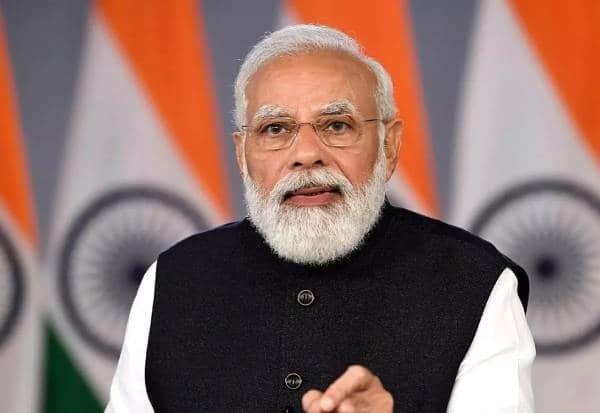
Prime Minister Narendra Modi has appealed for strict austerity measures to shield India from a wider economic squeeze linked to the war situation in West Asia. He urged citizens and institutions to adopt steps that can reduce pressure on foreign exchange and limit avoidable imports.
In his message, Modi highlighted cutting fuel consumption, using public transport and electric vehicles, and encouraging work-from-home practices where feasible. He also asked people to postpone gold purchases and reduce cooking oil usage as part of voluntary self-restraint.
Several BJP-ruled states have begun acting on the call. Chief ministers in Uttar Pradesh, Delhi and Madhya Pradesh have reportedly halved the number of security vehicles and fuel usage. Gujarat Governor Acharya Devvrat said he would prefer trains and public transport over helicopters for travel within the state, while Gujarat minister Harsh Sanghavi cancelled a planned trip to the United States.
Economists cited in the report linked the push to the impact of international geopolitical conditions, a weakening rupee and a decline in foreign exchange reserves. The rupee has fallen to 96 against the US dollar, while reserves were said to have dropped from $728 billion in February to $690 billion now; the IMF has projected India’s current account deficit could rise to $84 billion this year.
The report noted that a large share of imports is concentrated in crude oil, gold, cooking oil and fertilisers, with crude oil prices rising to $114 a barrel and India importing about 90% of its crude requirement. Analysts drew parallels with the 1991 crisis triggered by the Gulf War and said the current measures are aimed at preventing a similar situation amid the Israel-Iran conflict. Opposition parties, including Congress leader Rahul Gandhi, criticised the Centre’s approach.