
The ongoing conflict involving the US, Israel and Iran has heightened risks around the Strait of Hormuz, a key route for global oil movement. Despite reports that the three countries may be open to a peace agreement, there is no clarity on when it could be signed.
Disruptions near Iran have affected the flow of petroleum products through Hormuz, pushing fuel prices higher in many countries. India has also seen repeated increases in petrol, diesel and cooking gas prices in recent weeks.
While the Centre has maintained that there is no shortage of petroleum products, the movement of crude oil from Gulf nations to India has become a major concern. Iran has warned that ships passing through Hormuz could be targeted, and attacks have been reported, even as US warships remain deployed in the region.
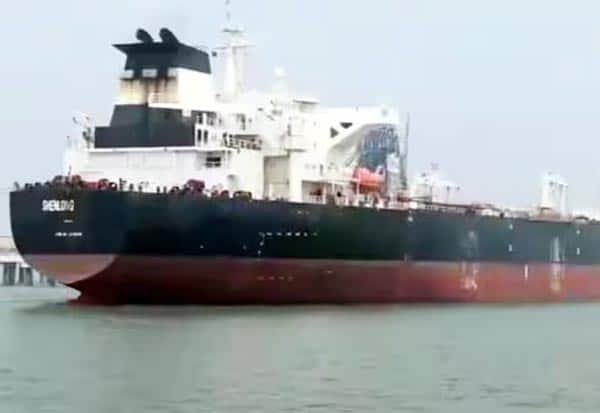
India receives large volumes of crude oil and LPG via this route. More than 10 Indian vessels carrying crude and gas are currently waiting in the area, while some ships have already reached India and others are en route.
Officials have declined to publicly detail the safety measures, calling them confidential. However, sources say External Affairs Minister S. Jaishankar has been in continuous talks with the Iranian government, and the Union Shipping Ministry has set up a “war room” that monitors ship movements round the clock in coordination with the Indian Navy and advises captains on routes to avoid attacks.