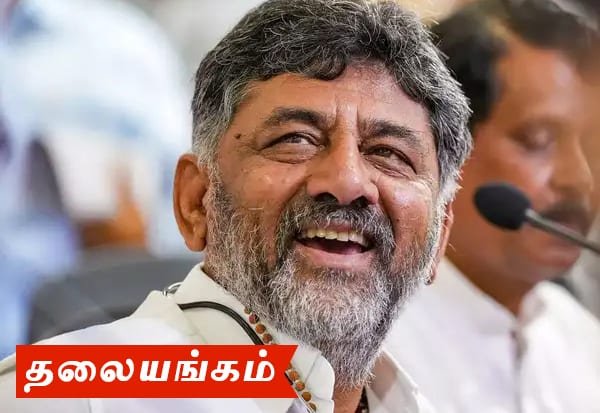
Karnataka has witnessed a long-anticipated leadership change in the Congress government that came to power with a clear majority in the 2023 Assembly election. While Siddaramaiah was chosen as Chief Minister then amid competition with D.K. Shivakumar, the party leadership had reportedly indicated that the post would be handed over after two-and-a-half years.
Despite that understanding, Siddaramaiah continued for about three years, even as Shivakumar repeatedly held talks with the Congress high command in Delhi. The discussions concluded last month, following which Siddaramaiah resigned on May 28, and Shivakumar was sworn in on June 3 as Karnataka’s 24th Chief Minister.
Siddaramaiah’s tenure saw persistent internal frictions within the ruling party, but his government gained traction among women and youth after implementing five key poll promises, including free bus travel for women and a monthly assistance of Rs 2,000 for women. He has also ruled out a move to national politics, saying he will remain active in state politics—raising expectations that factional tensions could continue.
Shivakumar now faces governance and political tests at the same time. Bengaluru, a hub for start-ups and major businesses, continues to struggle with infrastructure challenges, while other urban centres in the state are seeking investments for development projects.
The Congress leadership is also looking to Shivakumar to lead the party into the 2028 Assembly election and retain power. In addition, his firm stand on building the Mekedatu dam across the Cauvery is expected to draw strong opposition from Tamil Nadu, making it a key issue to watch during his tenure.