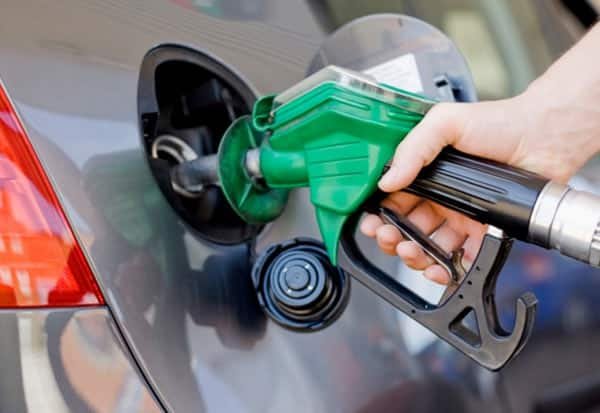
Petrol pump dealers have raised concerns that many urban fuel outlets are not equipped to store higher ethanol-blended fuels such as E85 and E100, even as the Centre promotes their rollout. They say most city stations were originally designed only for petrol and diesel storage.
The ethanol blending programme was introduced to cut crude oil import costs and reduce pollution. At present, petrol is blended with up to 20% ethanol (E20), with ethanol produced from sugarcane by-products and grains such as maize, rice and damaged stocks.
The government is now moving towards much higher blending levels, and automobile makers have begun introducing compatible vehicles. Hero has showcased motorcycles that can run on E85, while Maruti Suzuki has introduced an E85-capable WagonR, with these models expected to reach the market soon. Delhi recently opened its first E85 dispensing station.
The Centre has said E85 dispensing will begin in 48 petrol stations in the first phase, with plans to scale up to 5,000 outlets by FY2027. Dealers in metros such as Delhi, Chennai, Mumbai and Bengaluru say adding E85/E100 will require dedicated storage, specialised pipelines and additional safety arrangements.
They warn that upgrading existing stations will need significant investment and space, and could create operational challenges in crowded urban outlets, including safety risks, longer queues, higher maintenance costs and increased workload.