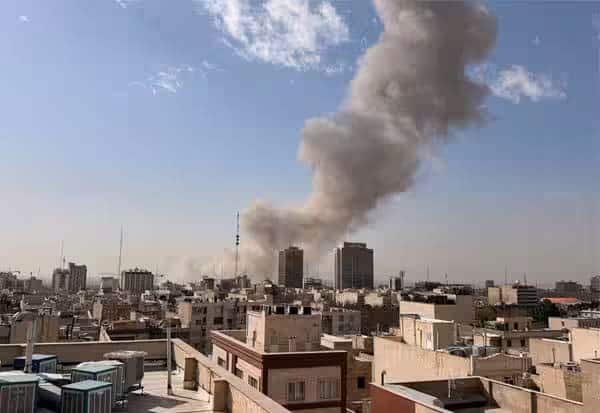
A peace agreement between the United States and Iran is scheduled to be signed in Switzerland on June 19, according to the latest announcement. The deal follows months of escalation that began with a joint US-Israel offensive on Iran on February 28.
In the immediate aftermath, Iran launched retaliatory strikes targeting US military bases across the Gulf region, including locations in Israel, the UAE, Saudi Arabia and Qatar. The conflict also saw a missile strike on a girls’ primary school in Iran that killed 168 children and 14 teachers, while Iran’s Supreme Leader Ayatollah Ali Khamenei was reported killed during the opening phase.
The war quickly spilled into global energy and maritime security. On March 1, Iran shut the Strait of Hormuz—through which a significant share of global oil trade moves—triggering a spike in crude prices and shortages of cooking gas cylinders in several countries, including India. Subsequent weeks included drone attacks on Saudi Aramco, a US submarine strike on an Iranian warship in the Indian Ocean, and further high-profile killings in Iran attributed to Israeli missile attacks.
A two-week ceasefire was announced on April 7, with the US saying peace talks would be held in Pakistan, though Israel did not participate. Negotiations in Pakistan later collapsed after a 21-hour session on April 12, even as Washington warned of blocking Iranian ports and later extended the ceasefire.
In June, the conflict again affected Indian interests, including a reported Iranian drone strike on Kuwait airport that killed an Indian national and a US attack on an Indian oil vessel that left three Indians dead. On June 12, US President Donald Trump announced the war had ended, and on June 15 both sides said the peace agreement had been finalised, paving the way for the June 19 signing.