Regional parties centred on family leadership are facing a steady decline in influence across India, as the BJP’s sustained rise reshapes the national political landscape. Many outfits that emerged in the 1990s on the back of caste equations, regional identity and personal charisma are now struggling to stay relevant.
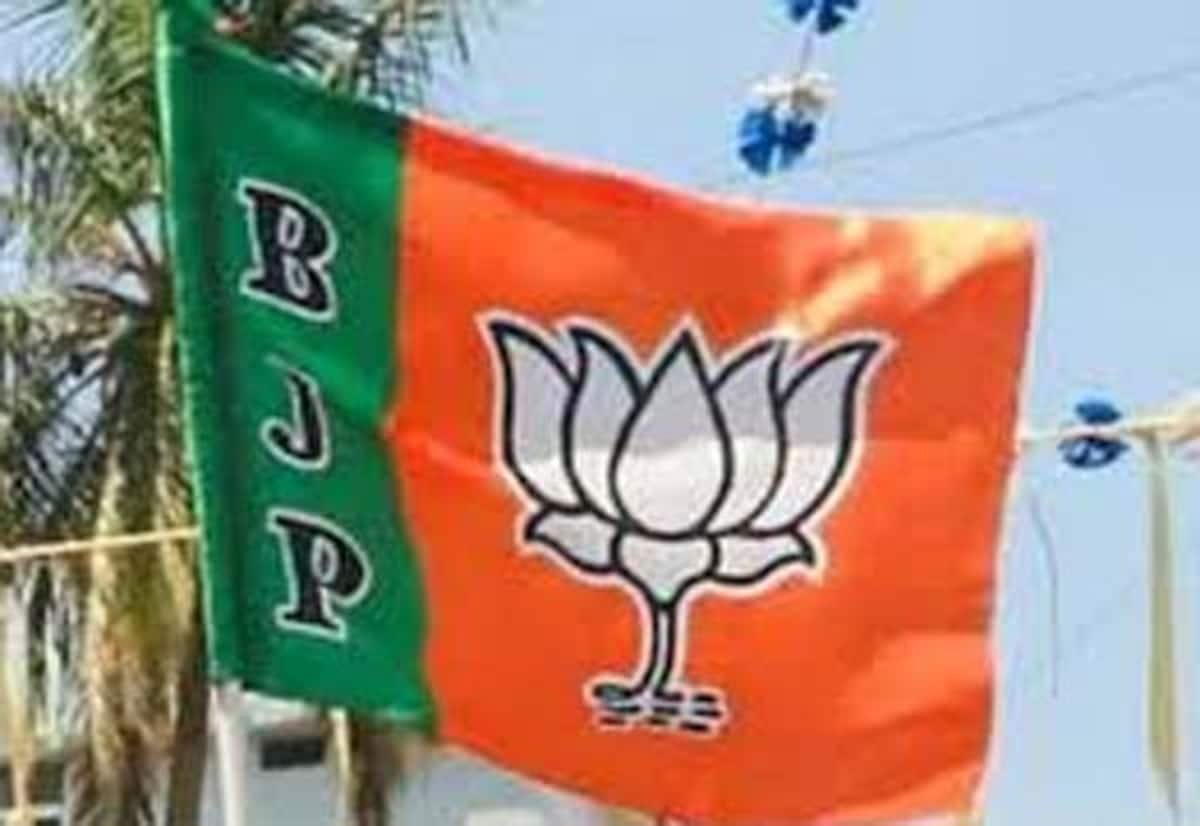
With the BJP consolidating its position nationally, several family-led parties are being pushed into difficult choices: align with the BJP to survive, join the INDIA alliance, or attempt to preserve a distinct identity on their own. The trend is also reinforcing a more bipolar national contest, with the BJP as the dominant force and the Congress positioned as the principal counterweight.
Prime Minister Narendra Modi, who first took office in 2014, has repeatedly attacked dynastic politics, targeting not only the Congress but also regional leaders who have entrenched family control in their states. The article notes that the weakening of Congress dominance and the fragmentation of the Janata stream in the 1990s had earlier opened space for regional players to shape national politics for over two decades.
Examples cited include Uttar Pradesh’s Samajwadi Party, now heavily dependent on Akhilesh Yadav with the next Assembly election described as crucial; Bihar’s JD(U) losing strength to the point where the BJP can stake the chief minister’s post, while the RJD faces reputational damage from corruption allegations. Odisha’s BJD, once a long-running non-Congress, non-BJP success story, suffered a major defeat in the 2024 Assembly election, and Karnataka’s JD(S) has shrunk into an NDA ally.
In West Bengal, the Trinamool Congress is reported to be grappling with internal rifts amid the BJP’s rise, with a section of its MPs and MLAs said to have moved into separate groups backing the BJP. In Maharashtra, the NCP split in 2023 following Ajit Pawar’s rebellion, underlining how factionalism and succession battles are accelerating the erosion of several regional parties.