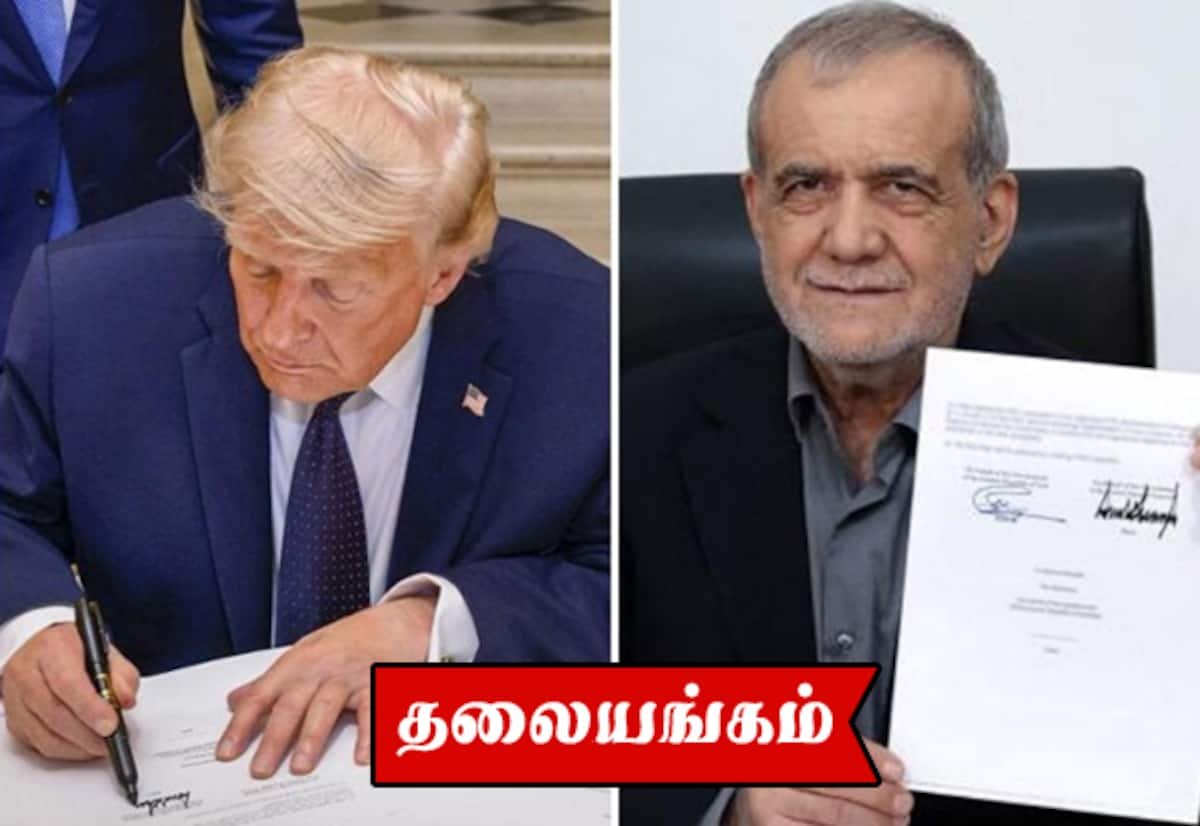
The US and Iran, after weeks of escalation, recently signed a peace agreement aimed at ending hostilities and moving to final-stage talks within 60 days. Switzerland was expected to host the planned negotiations.
The conflict had intensified after the US and Israel launched attacks on February 28, accusing Iran of pursuing nuclear weapons. Iran retaliated by targeting US bases in Arab countries and Israel, and by closing the Strait of Hormuz—an essential route for global crude oil trade. Hezbollah, operating from Lebanon and aligned with Iran, also carried out attacks on Israel.
Pakistan stepped in as a mediator, helping bring about the US-Iran peace agreement. However, with fighting between Israel and Hezbollah continuing, Iran has again closed the Strait of Hormuz—just four months after it was reopened—triggering renewed tension across the Middle East.
Iran said the closure was prompted by what it called violations of US assurances and the peace deal, pointing to ongoing Israeli strikes on Lebanon and Israel’s refusal to withdraw from southern Lebanon. Tehran warned that no ships should pass through Hormuz and said vessels attempting to do so would face uncertain safety.
The agreement had briefly eased global anxiety over shortages of crude oil and cooking gas, but the latest developments have raised fresh concerns. The article argues that the peace process will require concessions from both sides, with Israel’s actions in Lebanon and the US demand that Iran eliminate its enriched uranium cited as key obstacles to making the deal workable.