
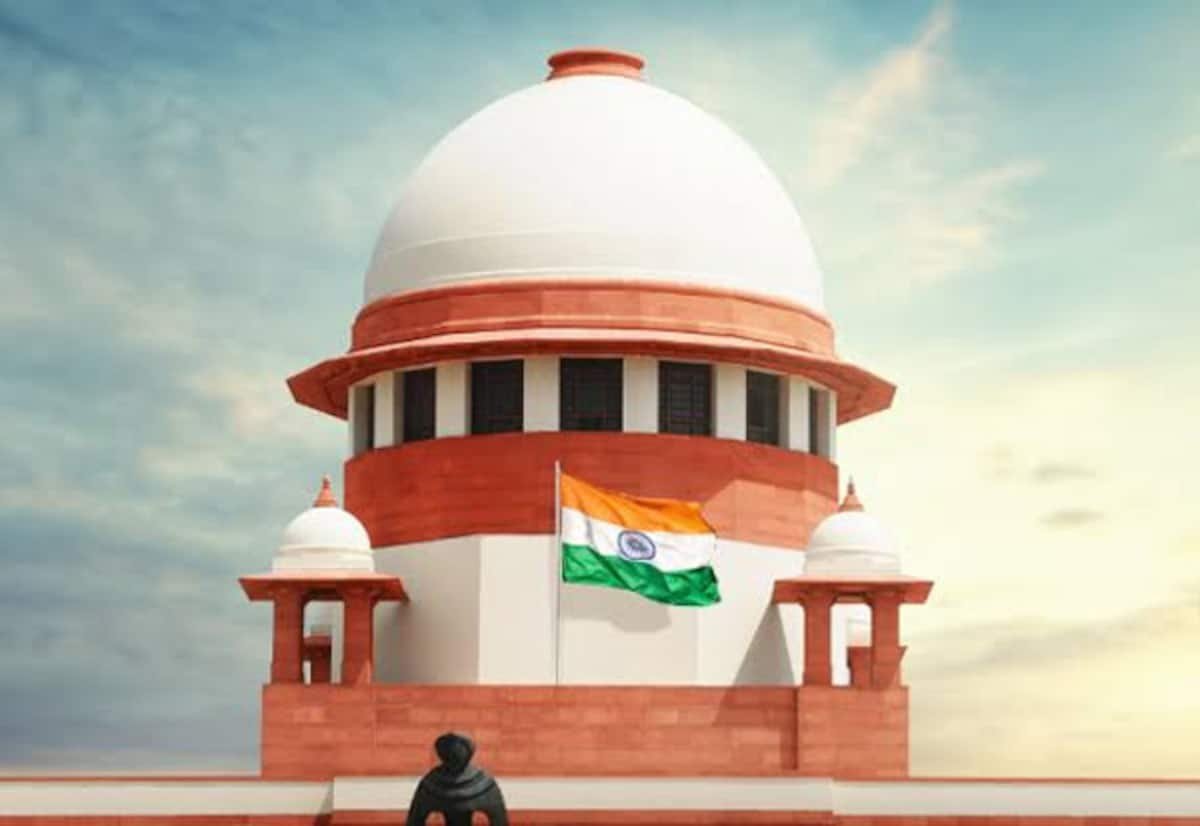
The Supreme Court has brought an end to a land dispute in Uttarakhand that had continued for nearly 70 years, closing a legal battle that spanned four generations. The case relates to a 3.1-acre parcel in Narsipur Kalan village in Haridwar district.
According to the case record, the petitioner Sarabath Ali’s ancestors purchased the land in 1957 through a registered sale deed and remained in possession thereafter. When the family initiated steps for a patta (title) transfer in 1984, one of the sellers raised an objection, but it was withdrawn in 1991, leading to a favourable outcome for the petitioners.
During land consolidation proceedings in 1991, the family’s rights over the 3.1 acres were recognised. However, other landholders later objected, and in 1999 a consolidation officer questioned the authenticity of the 1957 deed, holding it invalid under the Uttar Pradesh Zamindari Abolition law and cancelling the petitioners’ rights.
Appeal authorities and later the High Court in 2017 upheld the cancellation. Hearing the challenge, a bench of Justices Prashant Kumar Mishra and N.V. Anjaria set aside those decisions, calling it a serious error to invalidate a decades-old registered document on trivial grounds such as a minor address discrepancy of a witness.
The court noted there was no allegation that the deed was forged, or that the land was obtained through threat or deception, and that the opposing side did not dispute the family’s cultivation and possession since 1957. Expressing regret, the Supreme Court observed that what began as a routine patta transfer issue had unnecessarily expanded into prolonged litigation due to mistaken understanding by the adjudicating forums.