Tiruppur’s proposal to introduce automated traffic signals powered by artificial intelligence (AI) is drawing a key caution from experts: technology alone may not ease congestion unless motorists follow road rules more consistently.
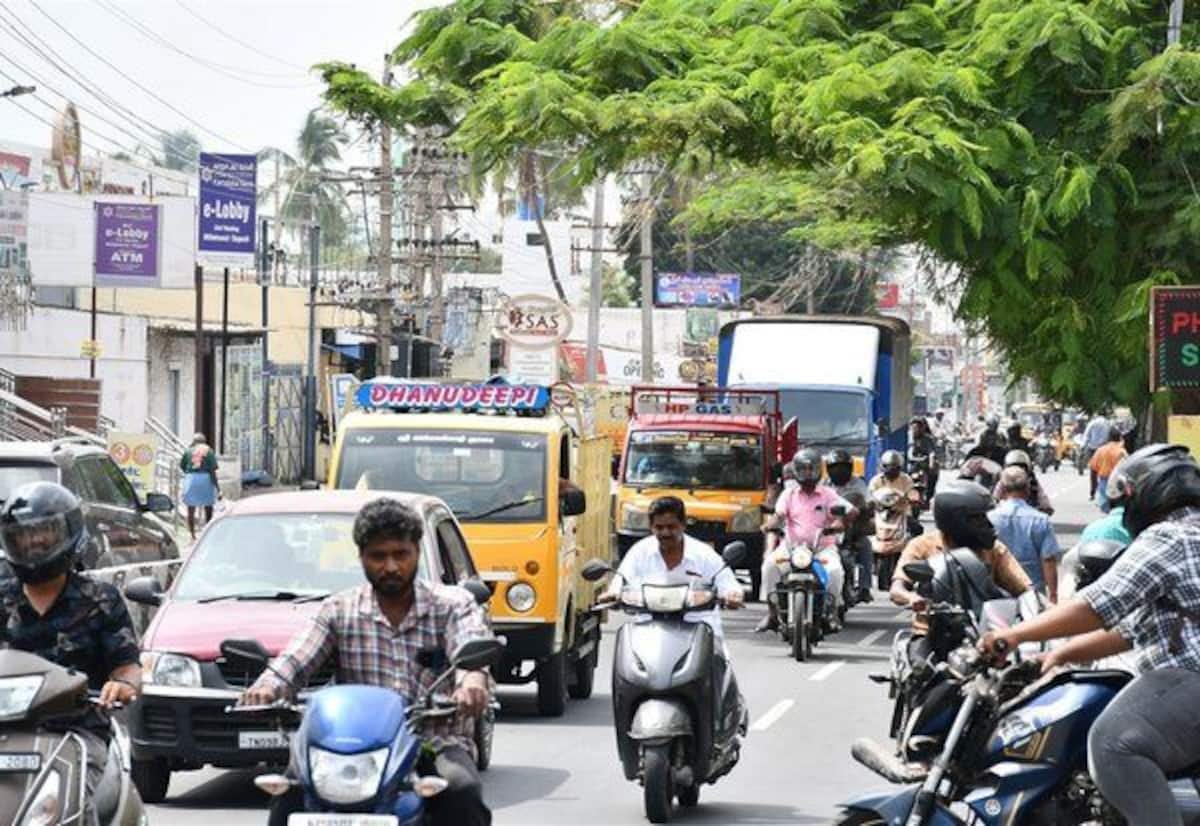
The city’s traffic load has been rising as heavy vehicles carrying yarn, fabric and ready-made garments continue to move through urban stretches. On major routes such as Avinashi, Palladam and Dharapuram roads, speeding and hurried travel by shift workers are cited as major contributors to accidents.
Retired traffic officials point to several on-ground hurdles that could limit the effectiveness of automated signals. Narrow roads, roadside loading and unloading, commercial buildings without adequate parking, vehicles parked along the carriageway, and buses stopping irregularly to pick up and drop passengers are seen as persistent challenges.
They suggest a phased approach, starting with pilot AI signals at wider, high-traffic locations such as Avinashi Road, Palladam Road, Kangeyam Road and the Pushpa Theatre junction. Alongside, they call for removing encroachments, widening roads, improving safety infrastructure, and denying approvals to commercial buildings that lack parking facilities.
Officials also stress that decisions should incorporate field experience shared by traffic inspectors and sub-inspectors during road safety committee meetings. With Tiruppur included under the Smart City programme, they believe integrating AI-based traffic management could be operationally easier once basic road discipline and infrastructure gaps are addressed.