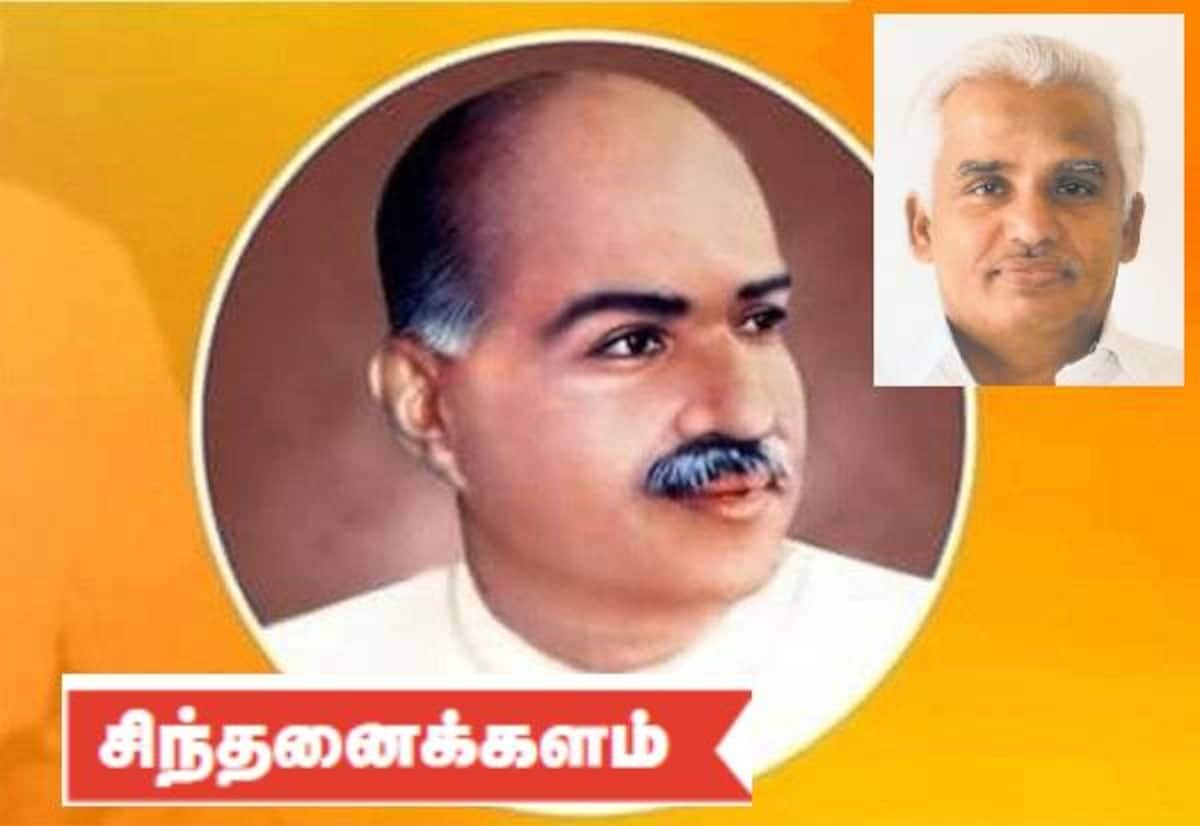
The Union government is observing the 125th birth anniversary of Dr Syama Prasad Mukherjee, describing him as a prominent patriot. The commemorations are being held from June 23, his death anniversary, to July 6, his birth anniversary.
The article notes that, even after Independence, India’s history was often recorded through a largely Left-leaning lens, and leaders with differing views were sidelined. Mukherjee is presented as one such figure, and as a key personality who laid the groundwork for what later became the Bharatiya Janata Party.
Born in Bengal in 1901, Mukherjee studied law in England and worked as a lawyer in India. He entered public life early, becoming a member of the Legislative Council from the Calcutta Graduates constituency at 28, and later served as Vice-Chancellor of the University of Calcutta at 33. During his tenure, he introduced changes in higher education, invited Rabindranath Tagore to deliver a convocation address in Bengali for the first time, and promoted studies on India’s ancient history and culture, including the introduction of archaeology to encourage research-based learning.
In the 1930s, amid political changes in Bengal, he was urged to enter active politics. He initially worked with the Hindu Mahasabha and later served as Finance Minister in a coalition government in Bengal. The article says he visited violence-hit areas in the 1940s and highlighted the situation, including during the Muslim League’s “Direct Action Day” in August 1946, when Hindus were targeted in Calcutta and large-scale casualties and displacement were reported.
Mukherjee was elected to the Constituent Assembly in 1946 and, after Independence, became India’s first Union Minister for Industry. During his tenure, the first industrial policy was released, major projects such as the Chittaranjan rail factory were initiated, and the Industrial Finance Corporation of India was set up to support industries. He later resigned from the Cabinet, disagreeing with Prime Minister Jawaharlal Nehru’s approach to addressing atrocities against Hindus in Pakistan and opposing the agreement reached with Pakistan’s Prime Minister Liaquat Ali Khan.
Citing differences with the Congress on secularism and foreign policy, Mukherjee founded the Bharatiya Jana Sangh in 1951 as an alternative national party rooted in Indian culture. In the first general election after Independence, three candidates, including Mukherjee, won on the party’s ticket, the article notes.