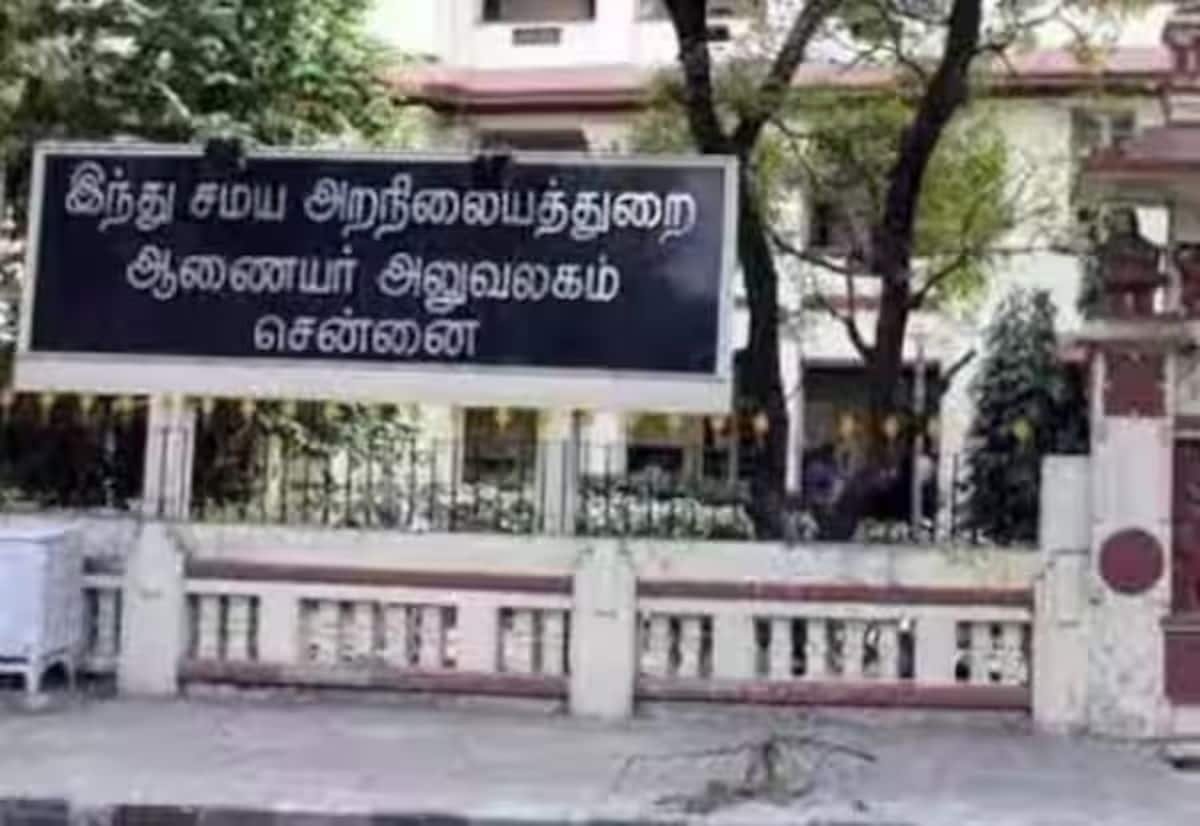
Even after the start of the Fasli year, several temples have not been able to issue tenders for routine requirements, creating hurdles in procuring items needed for daily (nithyapadi) pujas.
In the HR&CE department, the Fasli year runs from July 1 to June 30, and temple income, expenditure and tender processes are maintained on that basis. Typically, tenders for items such as flowers, garlands, coconuts and fruits—used for abhishekam, decoration and other rituals—are floated in June so supplies can begin from July.
However, tenders issued ahead of the new Fasli year were cancelled, and officials were directed to seek tenders under conditions suggested by ITCOT, with a decision to move to an e-tender-only system. Earlier, only tenders above Rs 25 lakh were issued as e-tenders, while smaller ones were handled through the conventional process. With the new tenders still pending, temple operations have been affected.
Officials said temporary purchases have been permitted through a circular until tenders are finalised, to ensure daily pujas continue. But temple executive officers fear audit complications because prices of nithyapadi items have reportedly risen by up to 20% compared to last year, and some say they are being pushed to seek donors to meet routine needs.
The delay has also affected the removal of offerings and waste items—such as hair, coconuts, lemon peels and sesame lamps—normally cleared through tenders at major temples, raising concerns about timely disposal before foul odour sets in. A demand has been raised to allow conventional tenders up to Rs 5 lakh and e-tenders only above that threshold, so smaller traders can participate and procurement can proceed smoothly.