
Mental health doctors in Madurai have raised concern over a growing “consumption-addiction” culture among students in Tamil Nadu, where synthetic substances are increasingly being used without clear outward signs.
They noted that the state expanded government de-addiction services launched in 2022 under the name “Kalangarai,” starting with seven centres in government hospitals and increasing to 25 centres by 2025. The centres aim to prevent drug-related offences, support recovery and help individuals reintegrate into society through teams of psychiatrists, counsellors and social workers.
Doctors said synthetic substances are harder for families and police to identify compared with alcohol or cannabis, which often carry a detectable smell and can lead to easier discovery. Students, they added, may be drawn in through peer influence within their age group.
The experts cited national estimates showing cannabis use at 1.20% and opioid use at 1.08% in India, while Tamil Nadu’s figures were reported as 0.20% for cannabis and 0.26% for opioids.
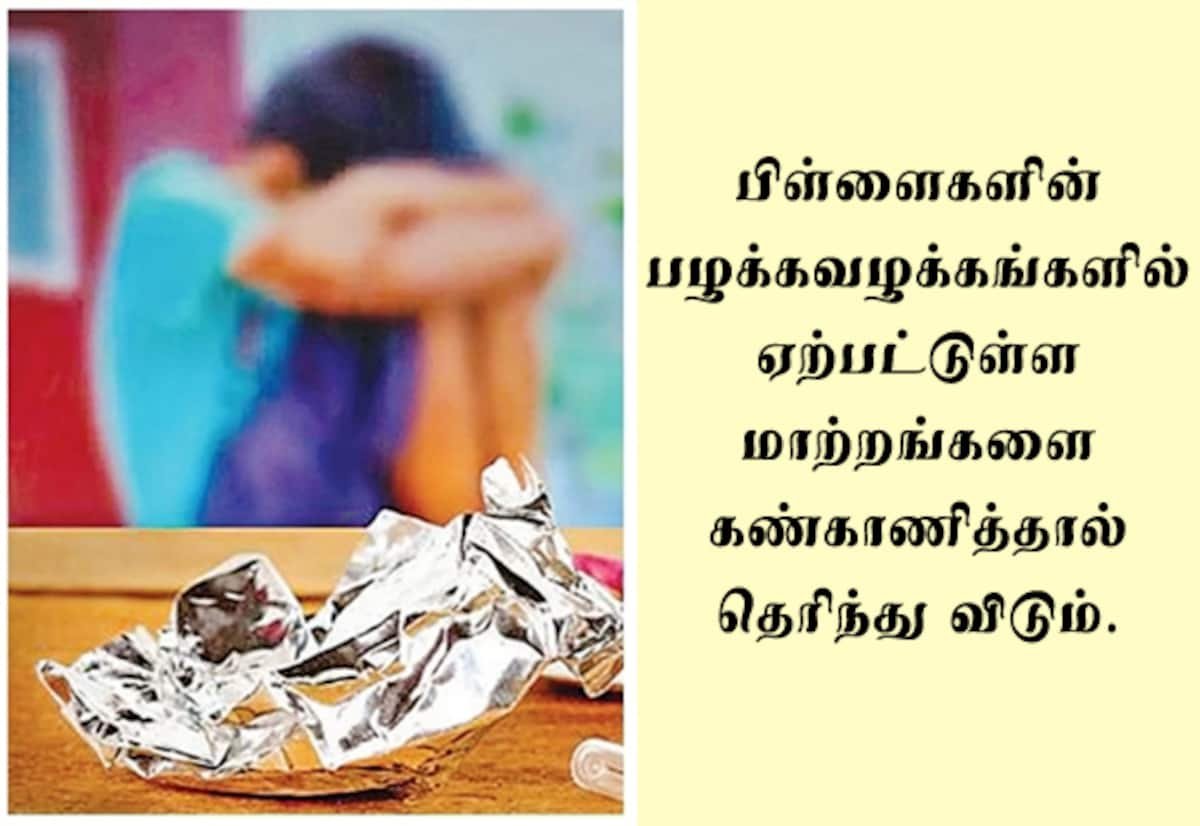
On monitoring, they advised parents and schools to watch for sudden behavioural changes such as frequent requests for money, a drop in academic performance, preference for isolation, sudden anger, changing friend circles and avoiding interaction in groups. They also suggested checking school bags and pockets for unusual items or packets, and said early intervention can prevent progression to other substances. In schools, identifying unusual behaviour among peers and offering counselling with student involvement could be effective, they added.