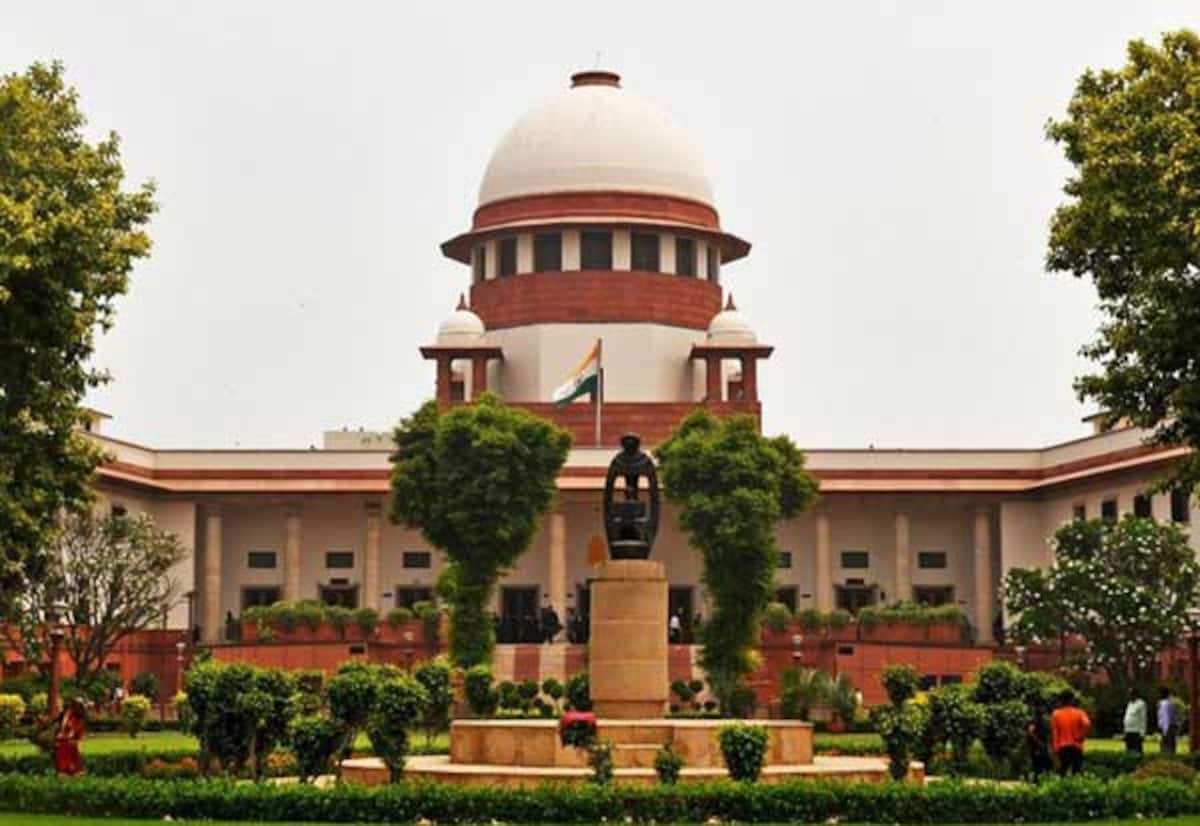
The Supreme Court has prohibited the extraction, recording, uploading or sharing of court proceedings in audio or video form on social media or other digital platforms without prior permission.
The direction came while hearing a public interest petition filed by a journalist, which argued that selectively circulating snippets of hearings—without context—undermines the dignity of courts and erodes public trust in the justice system.
During the hearing, Solicitor General Tushar Mehta flagged the possibility of artificial intelligence being used to alter the words of judges or lawyers and then circulate manipulated clips online.
In its order, the court said no one may extract, edit, post, repost, upload or monetise audio/video of proceedings without approval from High Court registrars or the Supreme Court’s Secretary General. The bench clarified that the restriction does not affect news reporting of proceedings and should not be treated as a curb on freedom of expression.
The court also directed that notices be issued to platforms including Meta and X, and stressed that livestreaming requires prior permission and regulation. It noted concerns about uncontrolled access during video-conference hearings and said courts cannot function as round-the-clock entertainment channels. The Chief Justice also referred to instances where his remarks and case-related information were allegedly misrepresented in media reports.