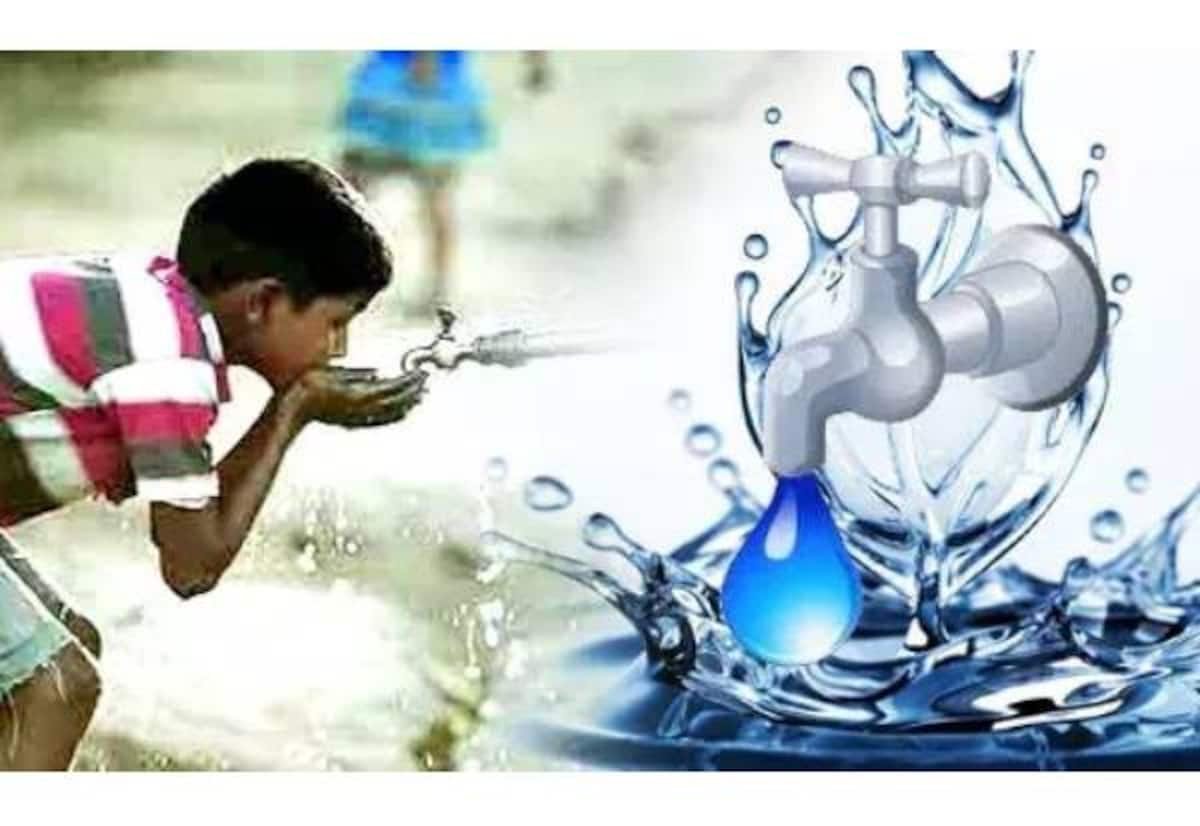
Chennai: Drinking water scarcity is intensifying across several districts of Tamil Nadu, with complaints that the Tamil Nadu Water Supply and Drainage Board has not put alternative arrangements in place despite warnings about shrinking sources.
Officials note that Tamil Nadu’s water resources system includes 90 dams and 14,141 irrigation tanks under the Water Resources Department, along with many lakes and ponds managed by municipal and rural development departments. A poor south-west monsoon in Tamil Nadu and neighbouring states has led to widespread drying of reservoirs and tanks.
Of the 90 dams maintained by the Water Resources Department, 59 are reported to have dried up, while 16 hold only 25% to 50% of their capacity. Among irrigation tanks, 3,489 are dry and another 6,158 are nearing dry conditions. The state water board runs combined drinking water schemes in multiple districts using rivers, dams and tanks as sources.
As surface sources shrink, groundwater availability is also falling. Borewells set up for supply schemes are yielding little or no water, and longer pumping hours are increasing electricity costs. In several areas, supply frequency has dropped from once a week to once every 10 days.
The problem has been reported at a peak in districts including Virudhunagar, Tiruvannamalai, Tirunelveli, Tiruchy, Thoothukudi, Thanjavur, Namakkal, Perambalur, Madurai, Sivaganga, Dharmapuri, Cuddalore and Dindigul. Groundwater conditions are also worsening in Tiruvallur and Kancheepuram, which supply water to Chennai. While the Water Resources Department has shared source-status details with the water board, complaints allege that alternative source planning has not been initiated.