
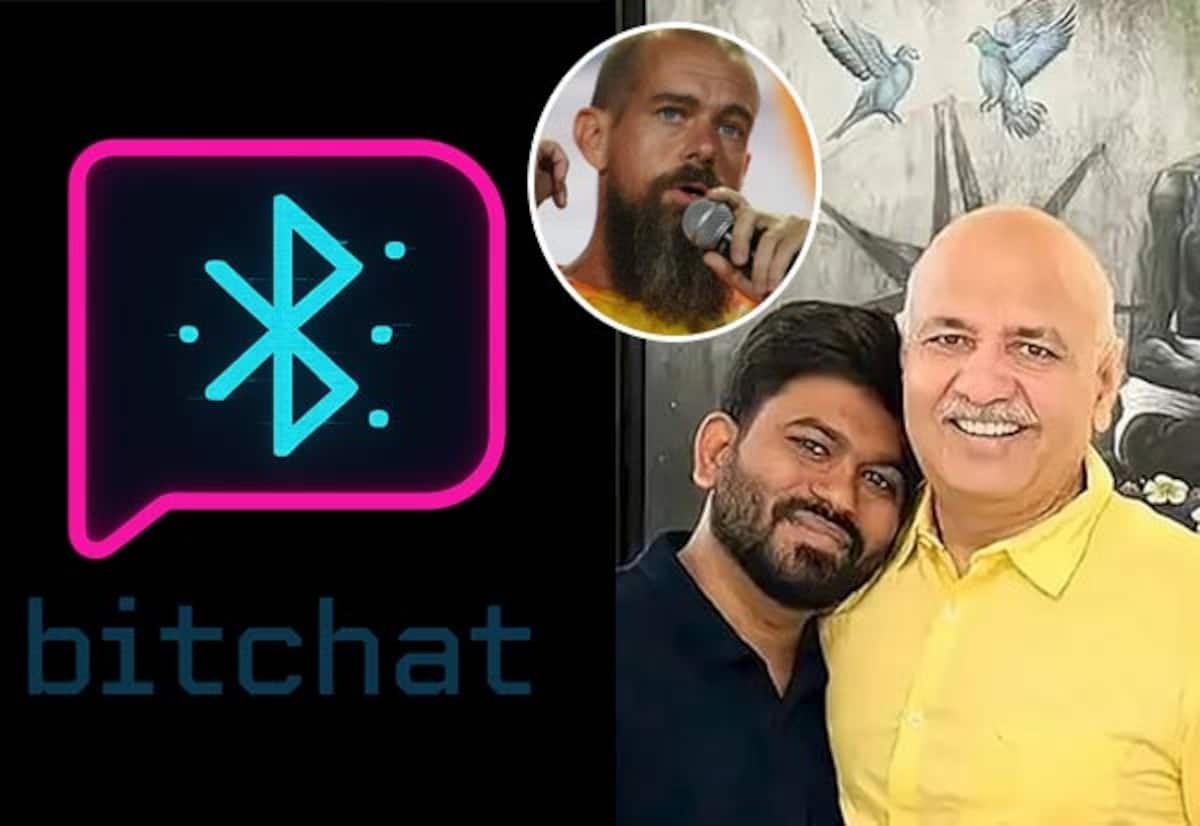
India’s central government has recently banned the social networking app ‘Bitchat’, arguing that its design makes it difficult for law enforcement to trace communications linked to crime, riots or unlawful activity.
According to the report, the app—created by Jack Dorsey, a former Twitter CEO—does not rely on mobile networks, internet connectivity or a centralised server. Instead, it enables phone-to-phone communication through Bluetooth, allowing users to exchange messages without conventional registration, mobile number verification or stored communication logs.
Authorities have cited this architecture as a hurdle to lawful interception, surveillance and investigation. The report claims that anonymous coordination through such tools could help groups evade monitoring, especially during situations where internet services are restricted to prevent violence or unrest.
After the ban, Dorsey posted criticism, describing the action as a restriction on free speech in India. The report also notes that the Delhi-based Internet Freedom Foundation (IIF) issued statements opposing the ban and lists its trustees and office-bearers.
The article raises the question of whether the government will move from a temporary block to a permanent ban, framing the issue as a balance between public safety and the limits of anonymous communication tools.