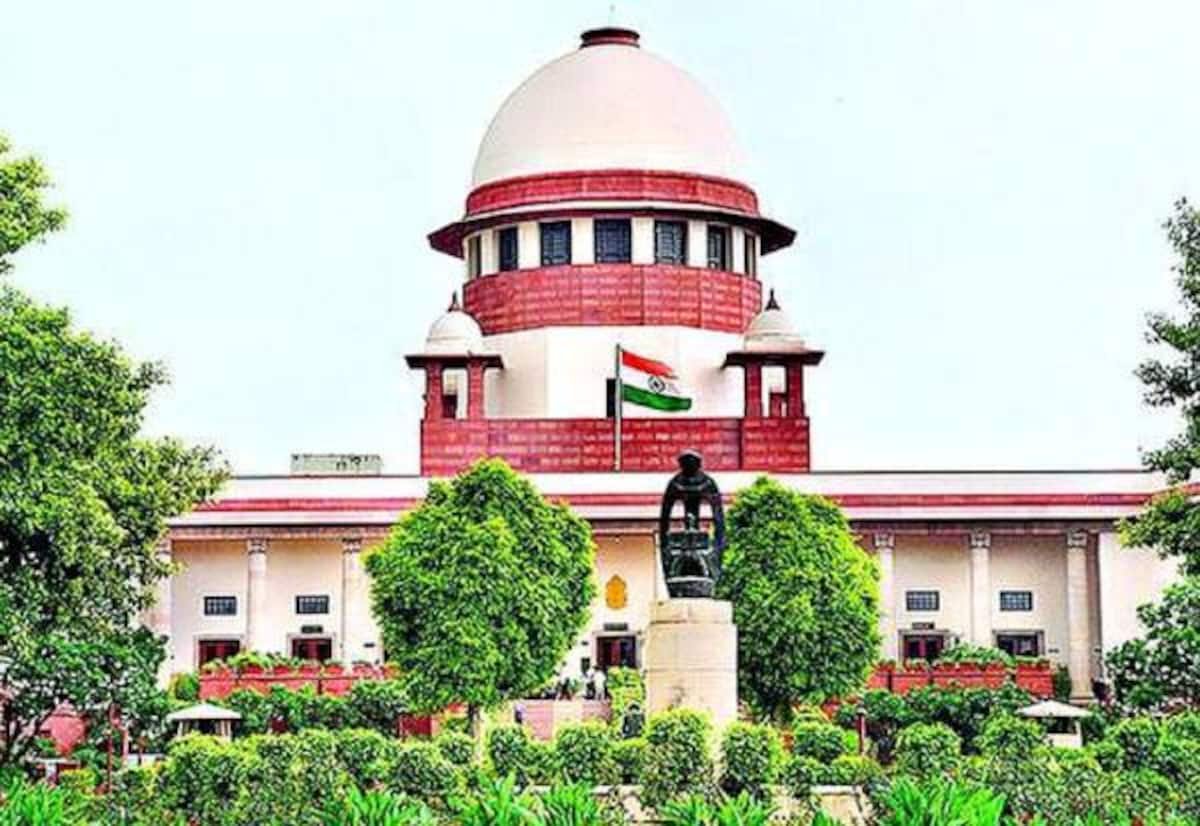
The Supreme Court has advised petitioners challenging the use of metal pellet ammunition to modify their plea, seeking a clear code of conduct for its deployment rather than demanding an outright ban.
The case stems from a large protest in Delhi against the alleged leak of the NEET undergraduate medical entrance exam question paper. During a march and blockade attempt towards Parliament, clashes reportedly broke out after police stopped protesters, and allegations were raised that metal pellet rounds were used, causing serious injuries to several participants.
A petition was filed by former Central Information Commissioner and retired IPS officer Yashovardhan Azad, along with two injured persons. The plea argued that pellet rounds disperse widely and can pierce eyes, limbs and vital parts, leading to severe harm, especially when fired from high-powered weapons. It also alleged that no adequate warning was issued and that force was escalated from tear gas to lathi-charge and then pellet rounds.
Appearing for the petitioners, senior advocate Vrinda Grover sought high-quality medical treatment from the Delhi government for the two injured men and pressed for a complete ban on pellet rounds. The bench, headed by Chief Justice Suryakant with Justices Jaymalya Bagchi and V. Mohana, indicated that the prayer to bar law-enforcement from using such ammunition was unclear and suggested challenging the police rules that permit its use.
Grover submitted that identifying the relevant police rules was not easy and requested directions to have them placed on record. She also said the petitioners were not claiming pellet rounds should never be part of any armoury, but insisted they should not be used against the public, adding that metal pellets had been removed from the injured persons’ bodies, supporting the allegation of use during the incident.