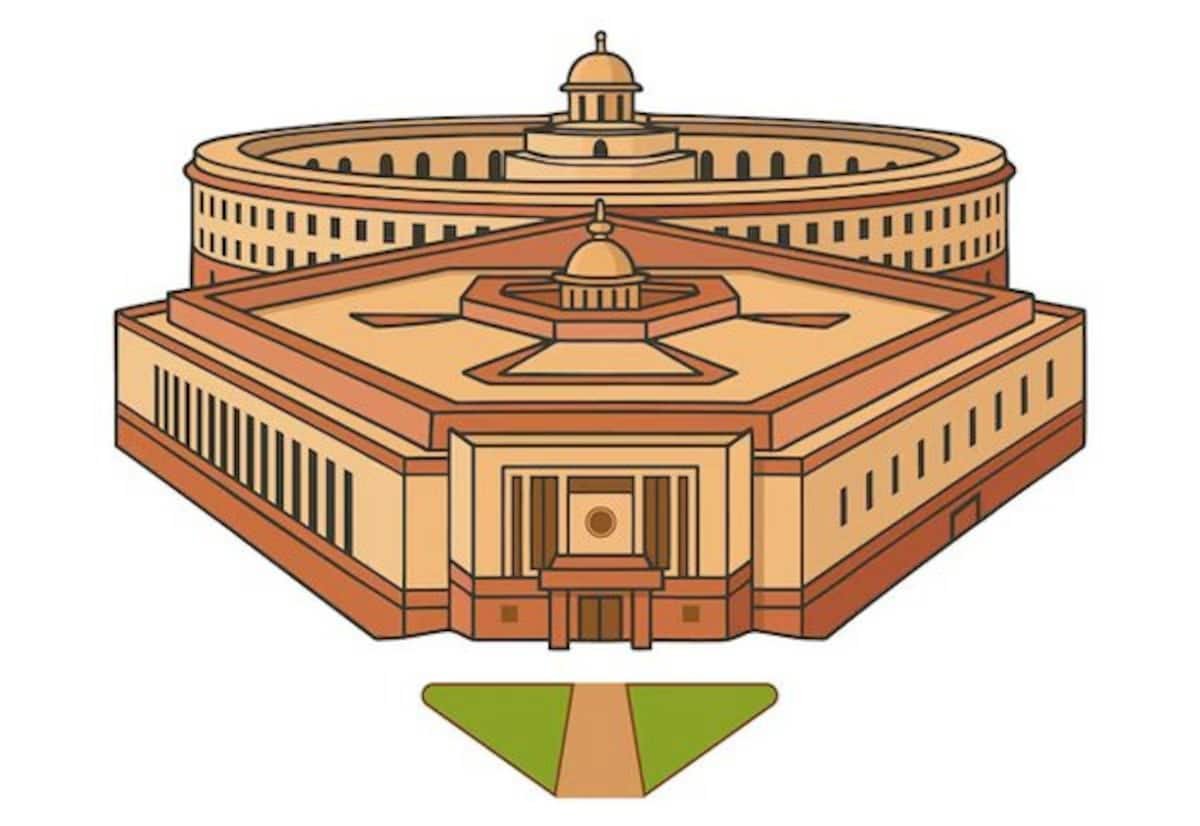
India has carried out parliamentary constituency delimitation four times—1952, 1963, 1973 and 2002. However, the last exercise based on Census population was in 1971, when the Lok Sabha strength was fixed at 543 seats.
To ensure that states which implemented family planning effectively did not lose representation, the seat freeze was introduced through a legal amendment during the Emergency in 1976. The provision remained in force until 2001, and was extended for another 25 years in 2002 under the Vajpayee government.
With delimitation now expected to begin again, concerns have resurfaced in southern states such as Tamil Nadu, Kerala, Andhra Pradesh and Karnataka that population-based allocation could reduce their relative weight in Parliament. The Centre, however, has sought to address these fears.
In the Lok Sabha, Union Home Minister Amit Shah said the rights and representation of southern states would not be reduced. He outlined a model in which the total number of Lok Sabha seats would rise by 50%—from 543 to 816—so that every state sees only an increase, not a cut; southern states’ seats would rise from 129 to 195, and their overall share would remain at 24%.
Southern states argue that if population alone becomes the key yardstick, states that controlled population growth could be penalised while others are rewarded. They also point out that even with a 50% expansion, northern states could gain more seats—for instance, Uttar Pradesh’s current 80 seats could rise to over 120—potentially weakening the southern bloc’s voting strength and affecting future political influence and resource allocation. The Centre has said delimitation commission recommendations would take effect only after parliamentary approval and the President’s assent, and that elections up to 2029 would continue under the current arrangement; it also links delimitation to implementing the 33% women’s reservation and equalising constituencies for assemblies and the Lok Sabha.