India has achieved a milestone in keeping near-Earth space cleaner by returning a rocket’s upper stage to Earth within nine months, in line with international space-debris mitigation practices.
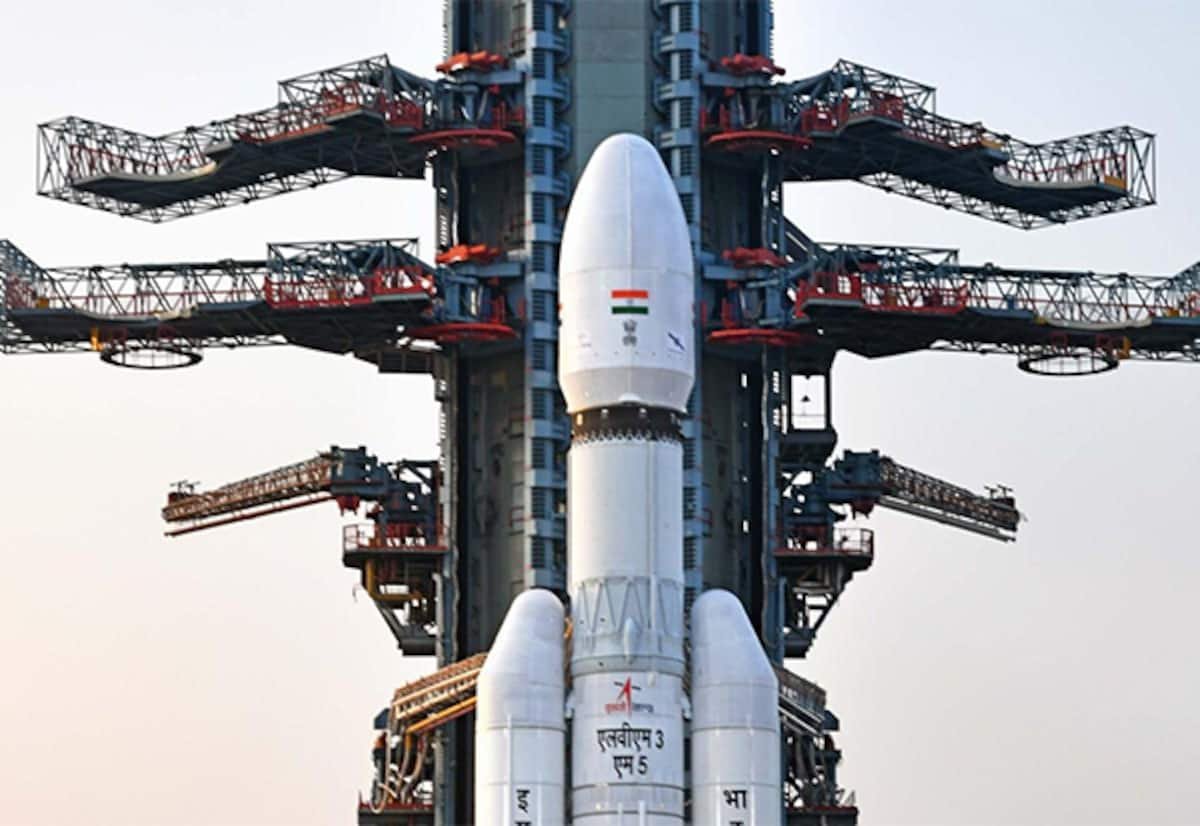
The CMS-3 communications satellite was launched on November 2 last year from Sriharikota, Andhra Pradesh, aboard the LVM3-M5 rocket. After the satellite separated, the rocket’s upper stage continued in orbit to avoid any immediate risk of collision.
ISRO tracked the stage’s motion using the MODR radar facility at Sriharikota as it gradually descended toward Earth. During re-entry, friction with the atmosphere generated intense heat, burning up most of the hardware.
ISRO said the remaining fragments fell into the Atlantic Ocean on July 30. Typically, such rocket parts can remain as space debris for more than a decade, posing collision risks to other satellites; ISRO said careful planning enabled a much faster disposal.