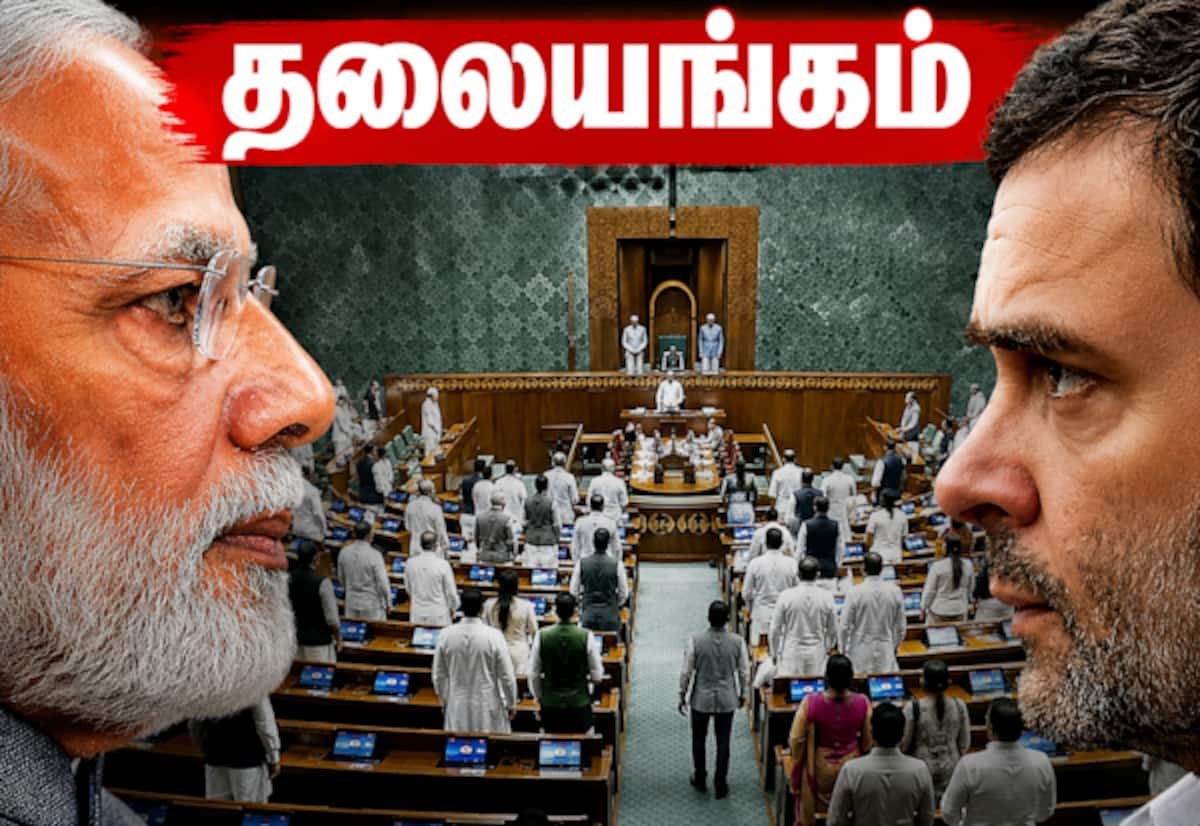
India’s Parliament meets three times a year—Budget, Monsoon and Winter sessions. The recently concluded Monsoon Session, which began on the 20th of last month and ended on the 13th, held 19 sittings.
According to figures cited, running both Houses costs about Rs 2.5 lakh per minute. With a typical six-hour sitting estimated at around Rs 9 crore, repeated stoppages translate into a significant burden on the exchequer.
The editorial notes that from the opening day, Opposition parties repeatedly disrupted proceedings by raising issues such as the alleged NEET question paper leak, a protest in Delhi by party workers and students and the subsequent police baton-charge, and allegations related to donations at the Ayodhya Ram temple. As a result, the Houses were adjourned multiple times, losing more than 7,000 minutes—putting the estimated waste of taxpayers’ money at up to Rs 175 crore.
While 12 Bills were passed during the session, the piece says only one—aimed at preventing question paper leaks in competitive examinations—received full discussion in both Houses. It argues that ego clashes between the ruling party and the Opposition, and the lack of willingness to accommodate each other, have reduced productivity and prevented constructive debate on public issues.
Calling Parliament the appropriate forum for detailed discussion on people’s problems, policies and legislation, the editorial urges both sides to avoid trading accusations that stall proceedings and to ensure the Houses function smoothly—so public money is not squandered.