Interview highlights from Coimbatore
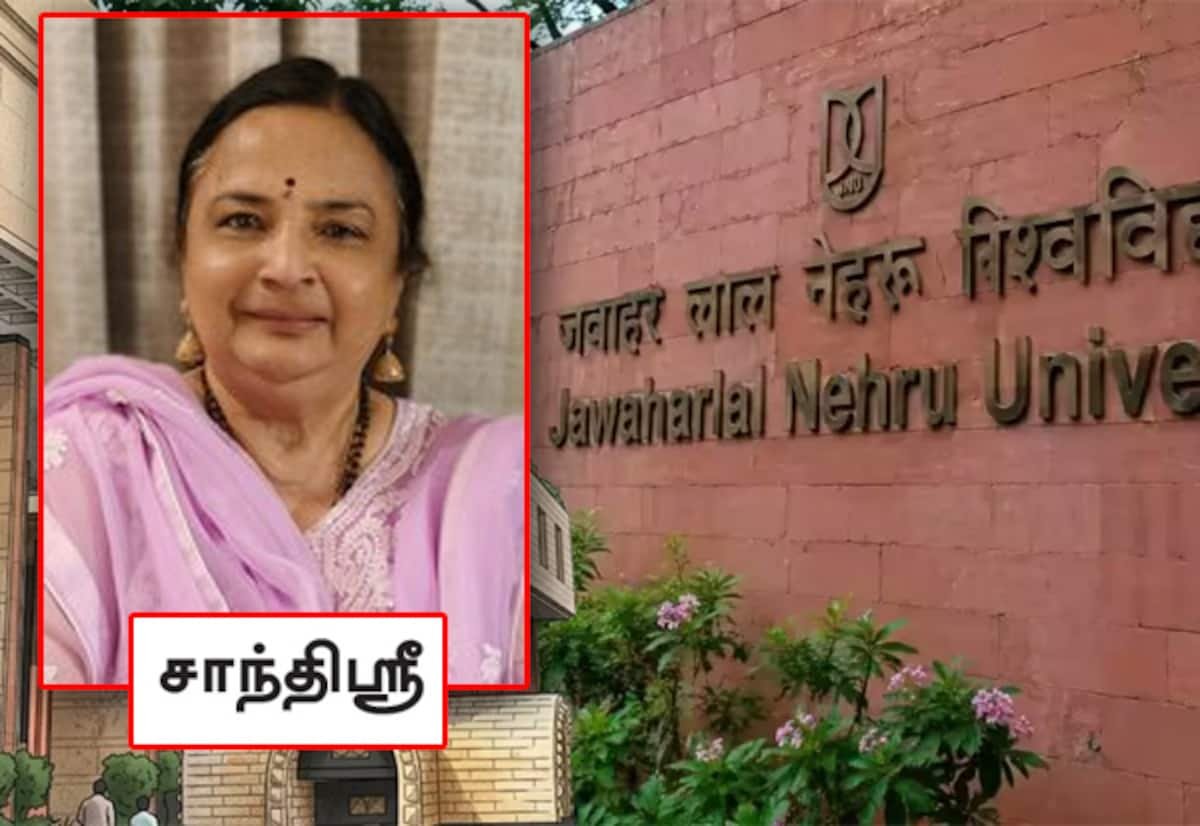
Jawaharlal Nehru University (JNU) Vice-Chancellor Shantisri Tulipudi Pandit has said it is wrong to turn universities into political arenas or training grounds for future politicians. Speaking in an interview, she argued that external political party influence inside campuses is not acceptable, even as student bodies focused on welfare can function independently.
Leadership and appointments
Pandit, the first woman Vice-Chancellor in JNU’s history and the first from Tamil Nadu to hold the post, said she faced early resistance rooted in stereotypes about women’s leadership. She noted that with support from teachers and students, the administration has moved to fill pending faculty posts for SC, ST and OBC categories without backlog.
Fees, access and rankings
She said JNU stands out in the QS world university rankings as the only university placed on par with IITs. According to her, the university provides higher education at very low fees with central government support, with some courses charging only Rs 10 to Rs 20, enabling students from modest backgrounds to study—she estimated they make up about 70% of the student body.
Campus protests, funding and reforms
On campus protests, she claimed only a small section of students engage in unnecessary political activity, and warned that outside funding and support can enter when campuses are politicised. She also said India’s education spending remains low at about 3.6% of GDP and should rise to at least 6% or into double digits, especially as the number of central universities and institutions like IITs and IIMs has increased.
What she wants changed
Pandit called for higher allocations and stronger infrastructure, and cautioned that contract or temporary teacher appointments can hurt academic quality, urging more permanent posts. She also advocated an integrated education model that combines science and technology with arts, humanities and languages, and stronger industry–academia linkages to build job-ready skills.